









Once a year, a sprawling, eccentric hotel in the middle of England fills up with bike people. Core Bike is a dealer trade show with no show bikes and no spectacle – just reps in hotel rooms and distributors in banquet suites trying to sell things to shops. It is an unlikely setting for anything to be remarkable. As Petor Georgallou discovered, unremarkable is a blessing in disguise. Join the fray below…
Carpet
Somewhere in the exact middle of England, a powerfully dressed woman stood in a carpet shop surrounded by swatches of ultra-hard-wearing luxury carpets. The staff fussed around her, relaying facts they’d learned from company sales brochures on the benefits of their carpets over other carpets, and bringing up new patterns and variants from different carpet manufacturers to meet the criteria of the client’s mood board for the different rooms. The manager of the shop padded softly up and down in his brown leather brogues on the soft wool shag of the shop’s office floor, perching an almost all-ash cigarette between chubby gold-ringed fingers pressed stiffly against the walls of a Waterford cut crystal scotch glass.
Anxiously clammy, he stopped intermittently in his tracks to check the sales clerks’ progress on a cathode ray screen mounted to a wood-panelled wall. The buyer, drunk with power, fumbled scarlet talons through a Chanel Minaudière, whose gold chain clung firmly to the oversized, padded red shoulder of a woven cashmere suit jacket.
“This one, this will be perfect for the grand prix suite.”
She pulled out a cheque book. The tungsten carbide ball of her Mont Blanc rolled silent, effortless convolutions over the paper, laying down a thick sticky trail of oily black ink, before she ripped out the cheque, flapped it around in a drying gesture, and handed it to the relieved clerk.
“Thank you so much for your help,” she smiled insincerely.
She slammed the door of her red Lister Le Mans. The twin supercharged V12 woke up angry, she lit a John Player Special, wound down the window, and screamed off into a psychedelic West London sunset.
Core Bike, at Its Core
Three decades later, Whittlebury Hall Hotel and Spa’s oddly selected carpets form the surreal backdrop to the 21st edition of Core Bike, a dealer-focused trade show put together by a collection of UK distributors. It’s a strange show; in terms of its format, it’s a bit of a relic – the last show standing from a raucous and optimistic bygone era in the cycling industry that seems completely at odds with modernity.
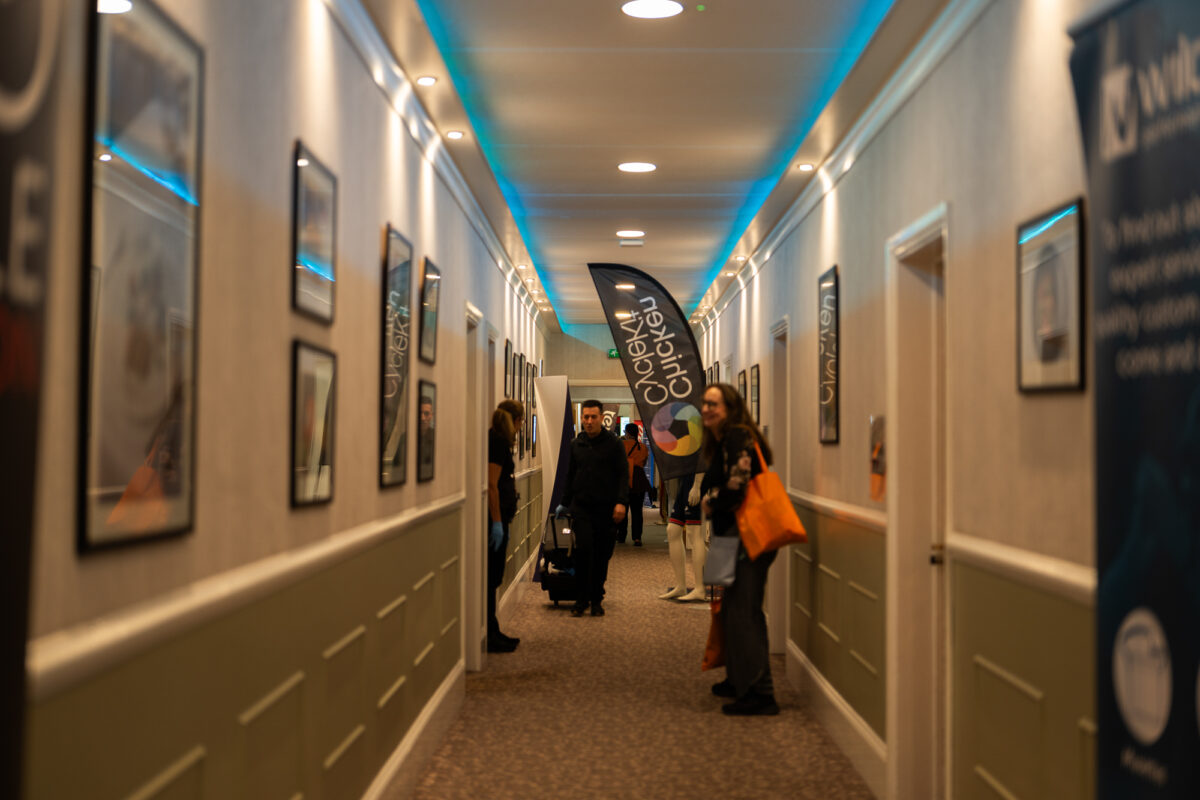
The ground floor of the hotel, with its various conference rooms and suites, becomes a haphazard labyrinth of an exhibition centre, with various companies and distributors exhibiting out of hotel rooms and banquet rooms in an impossible figure-of-eight layout with an extra corridor that sticks out of one corner. The carpets – with their various swirly floral patterns that clash both in terms of colour and design with the upholstery of the furniture – make finding the person or room you’re looking for feel like trying to find the exit of a Doom level after you’ve killed all the demons.
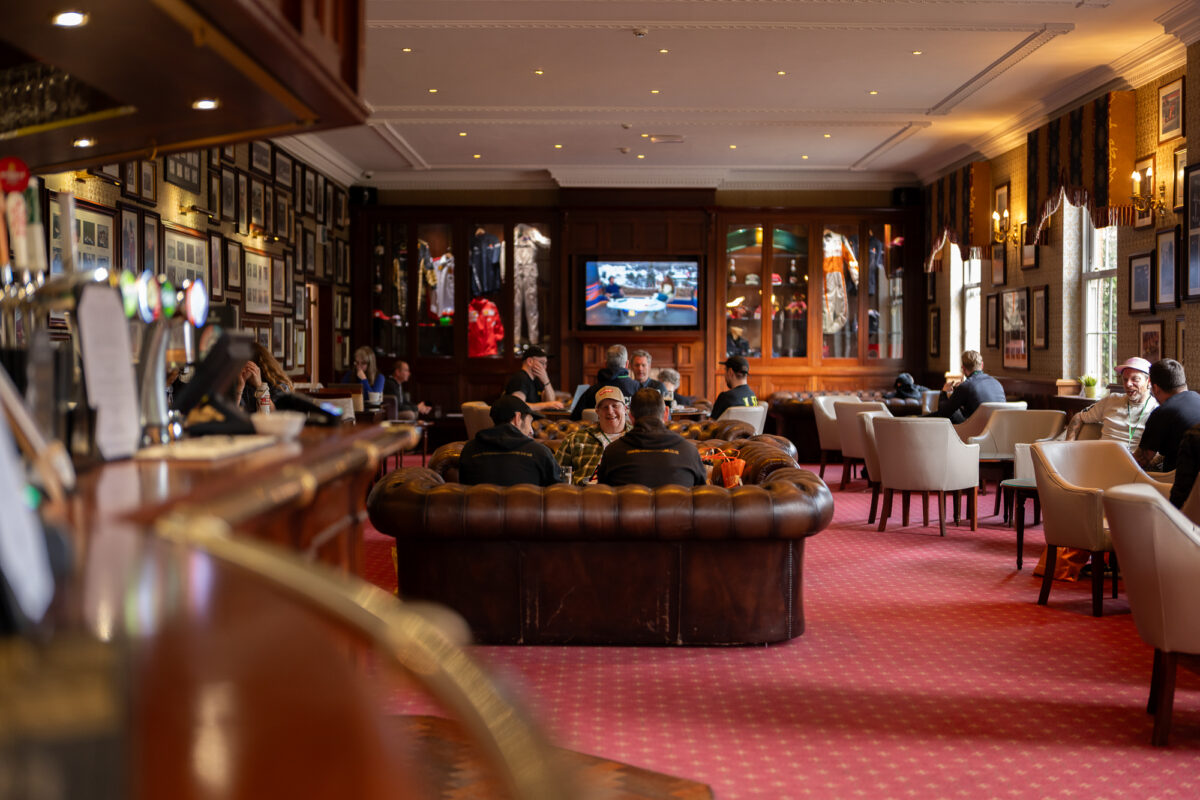
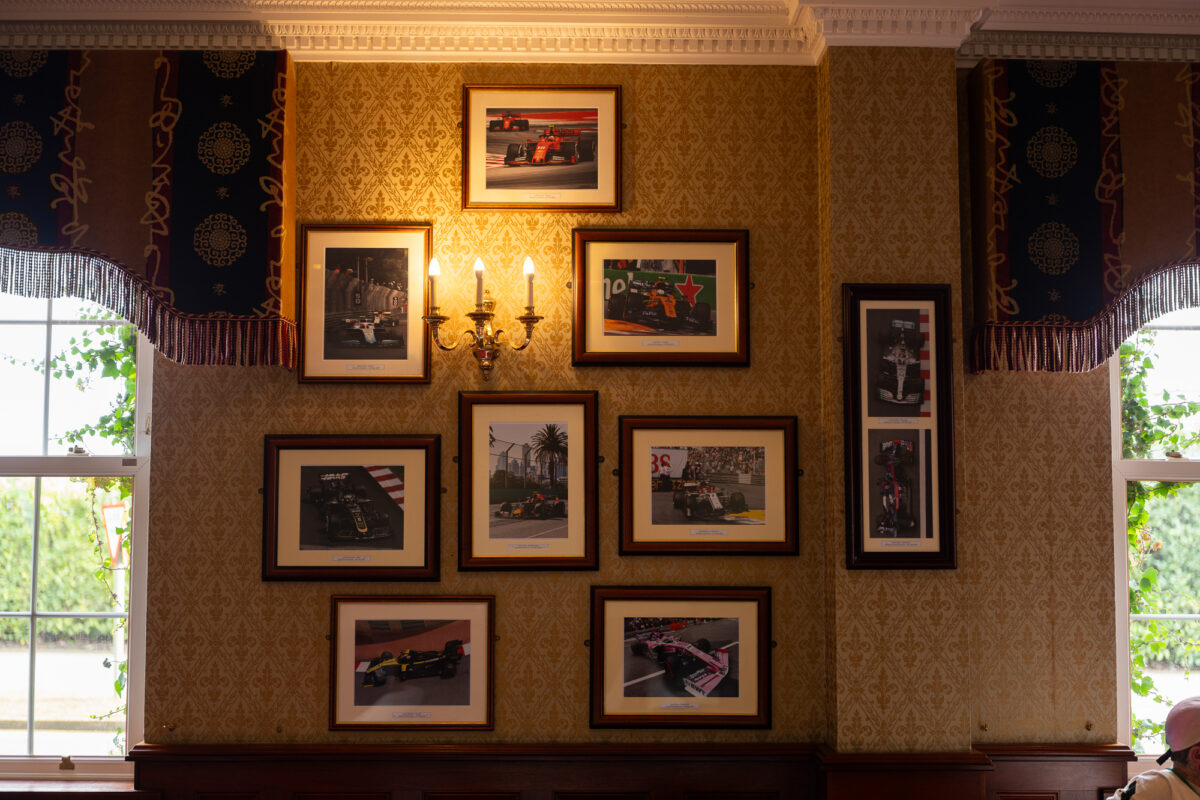
The hotel, which was purpose-built with 215 rooms in 1999, is motorsport-themed for its proximity to Silverstone and is designed around corporate gatherings. From the car park, I was serenaded by the alluring sounds and smells of highly tuned engines redlining at 7,000rpm, screeching tyres, and the occasional whoosh of a dump valve.
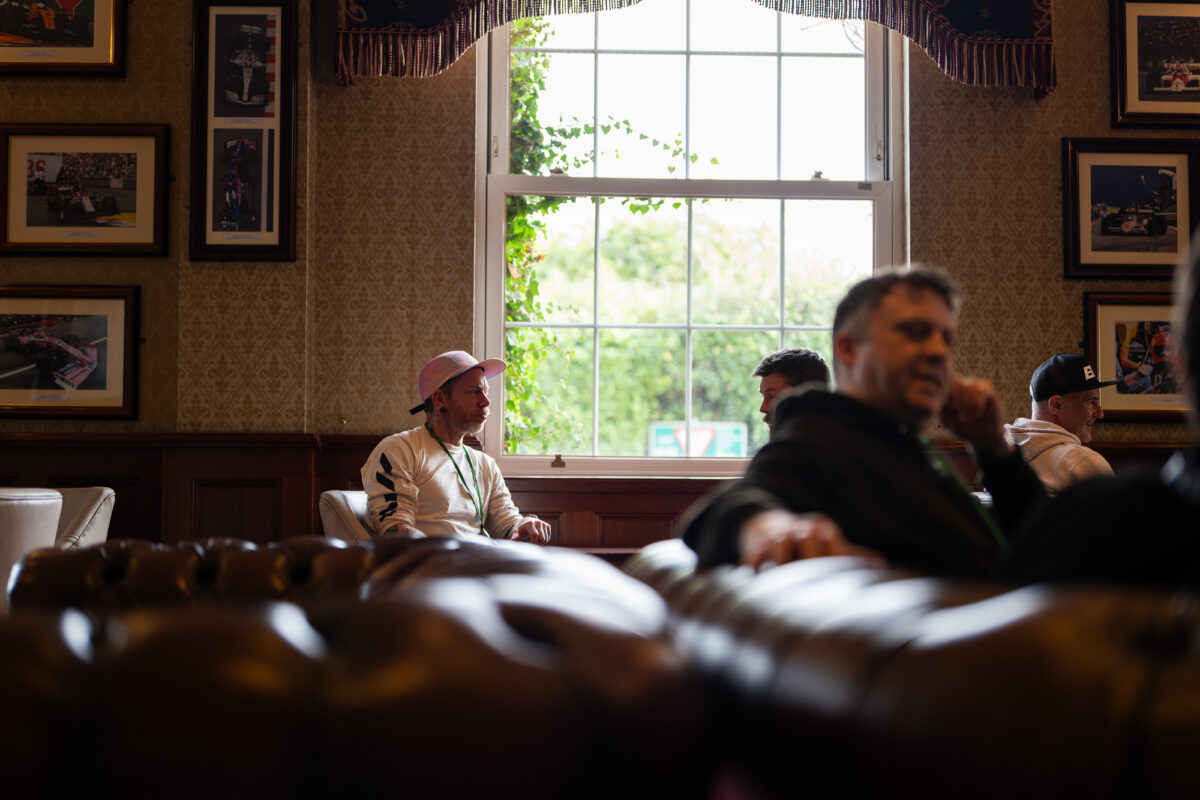
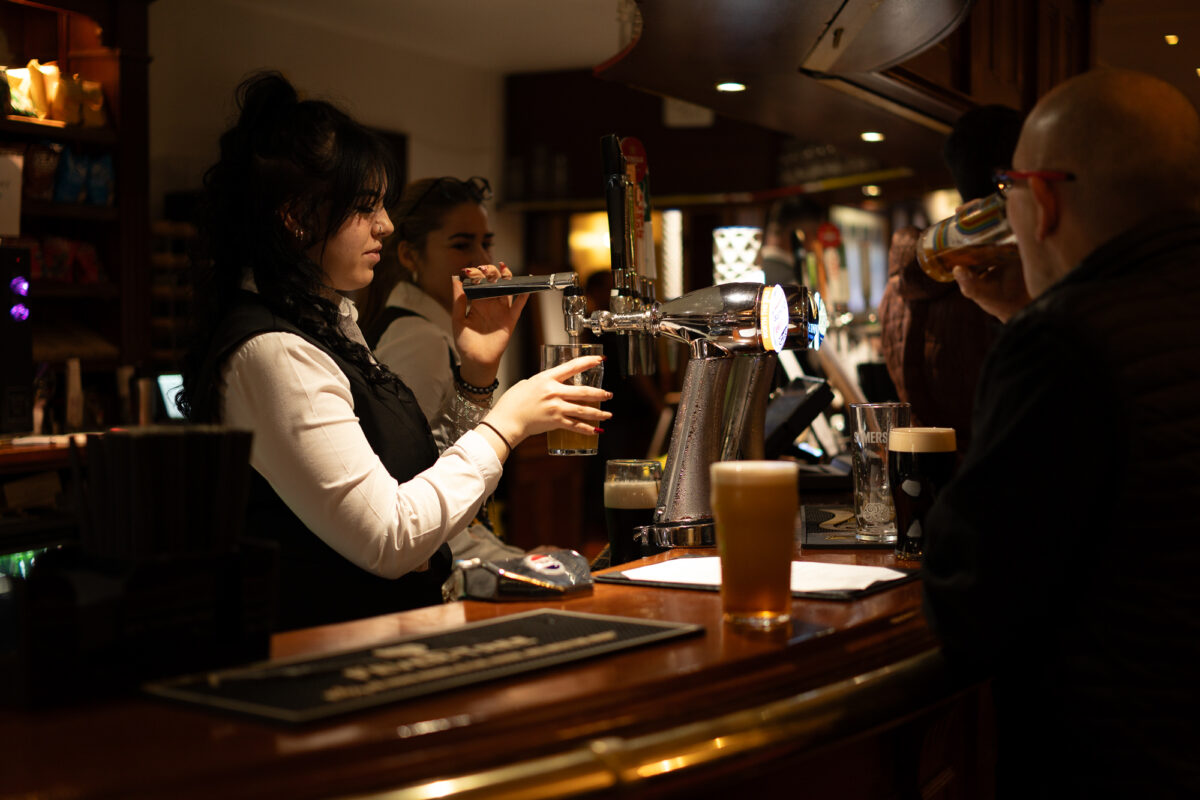
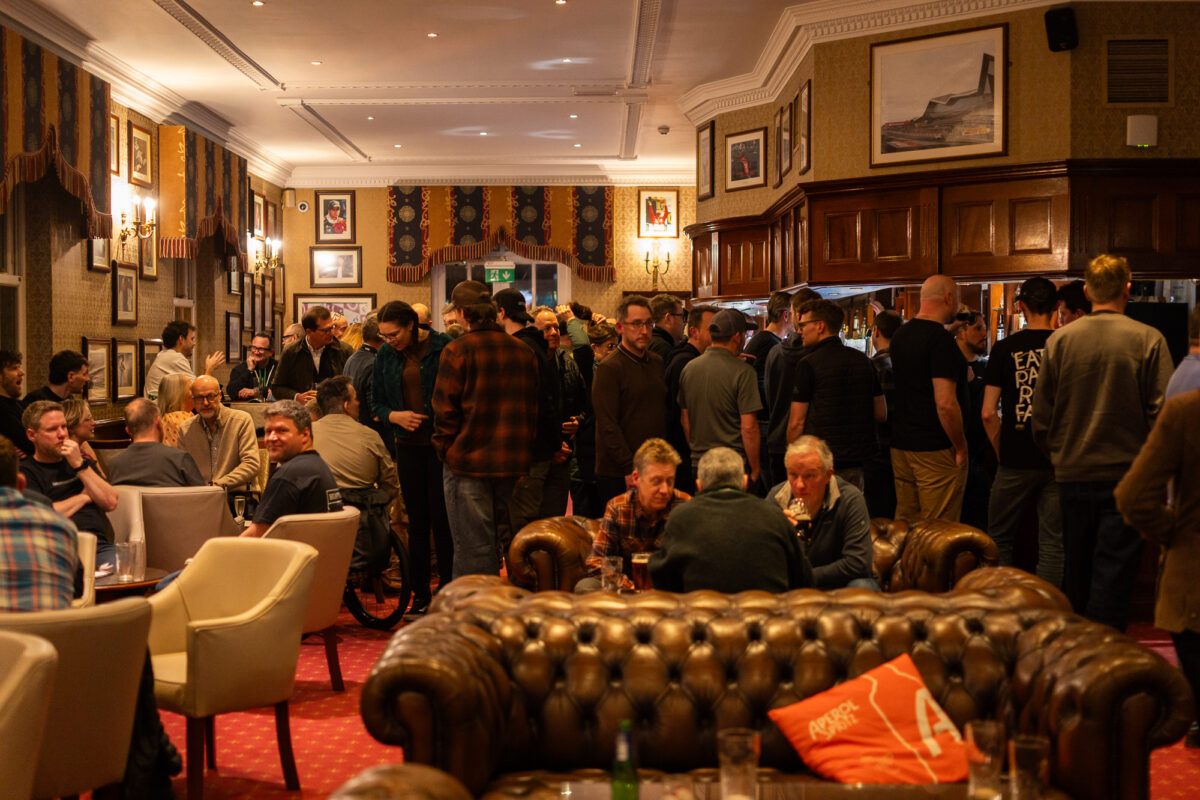
The car park is full, and the bar is a sea of familiar faces.
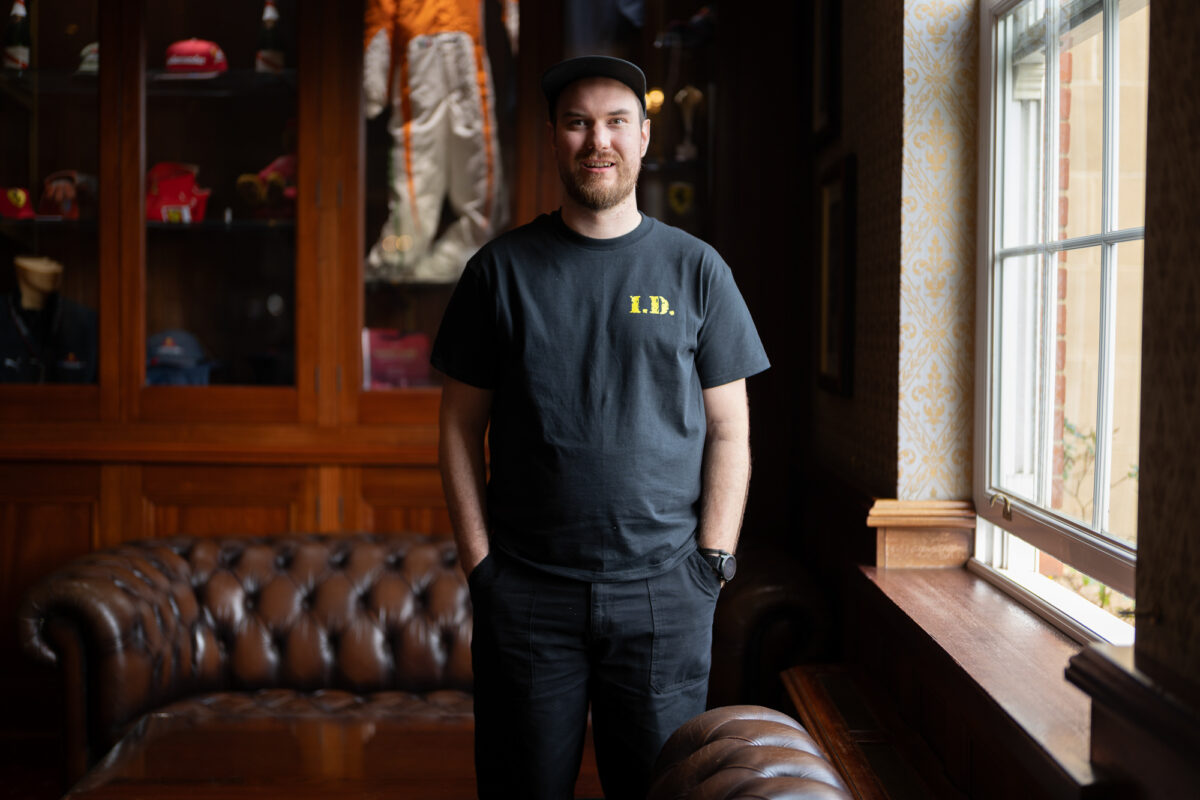
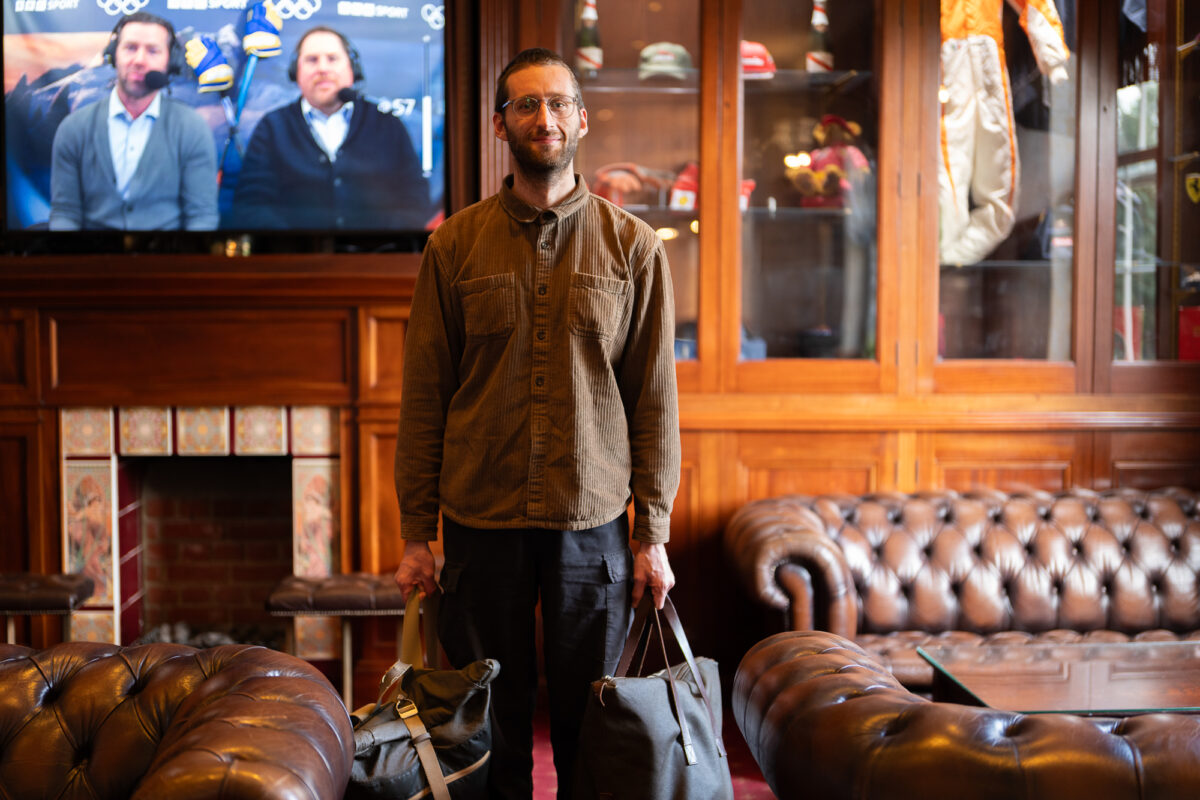
According to custom, I arrived a few hours late, just before lunchtime, and dropped my bags at the concierge, who checked me in and took the bags to my room on a brass-framed luggage trolley. I immediately walked to the trade show to get a lay of the land. Walking the corridors is especially confusing because two turns in there’s a crossroads, with a loop on each end, so I tried to make a lap, but only made it round half of the show before looping back to try again.
Normally, I’d be looking for exceptional bikes and interesting, weird things to shoot, and while there were certainly plenty of super high-end bikes, there was relatively little of what’s normally on my radar, because almost nobody builds a “show bike” for a dealer show – there’s just not much point. The value of the show is really getting dealers to see what’s new and good in the flesh, rather than pushing anything to its extremes.
However, there were a few things that I found irresistible…
Hope HB.912
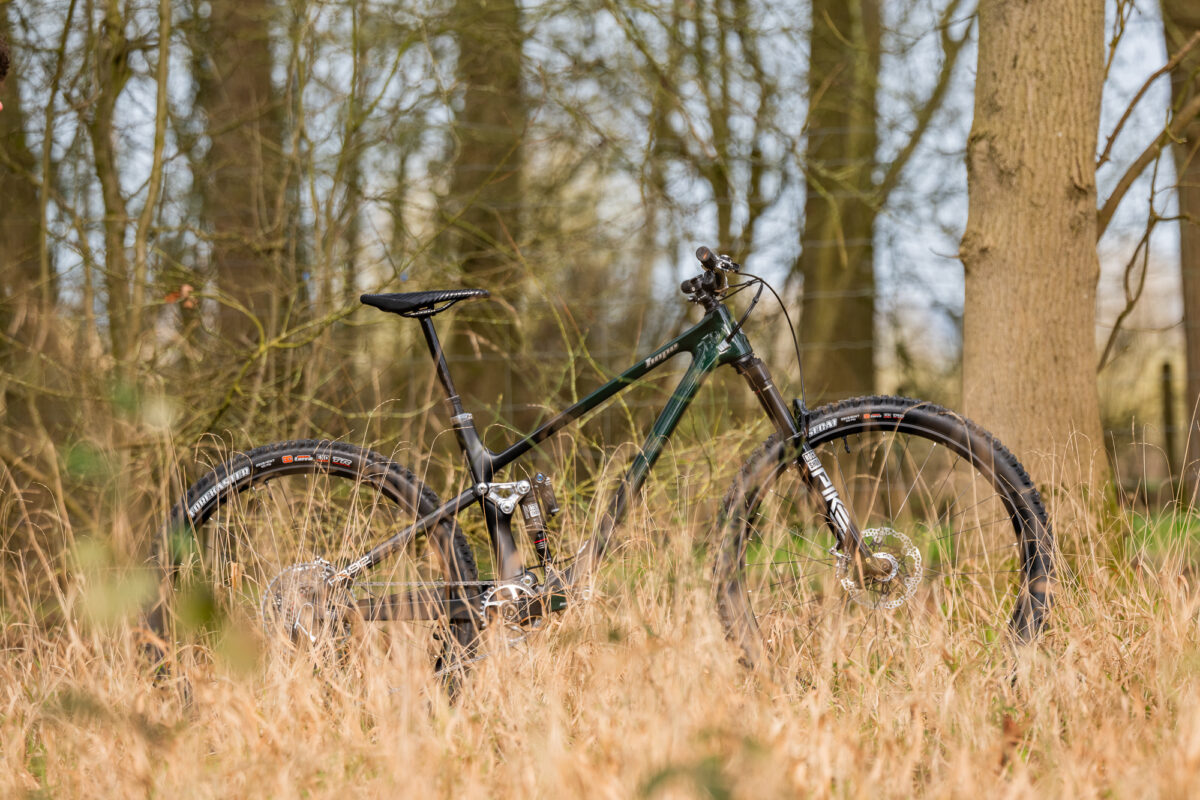
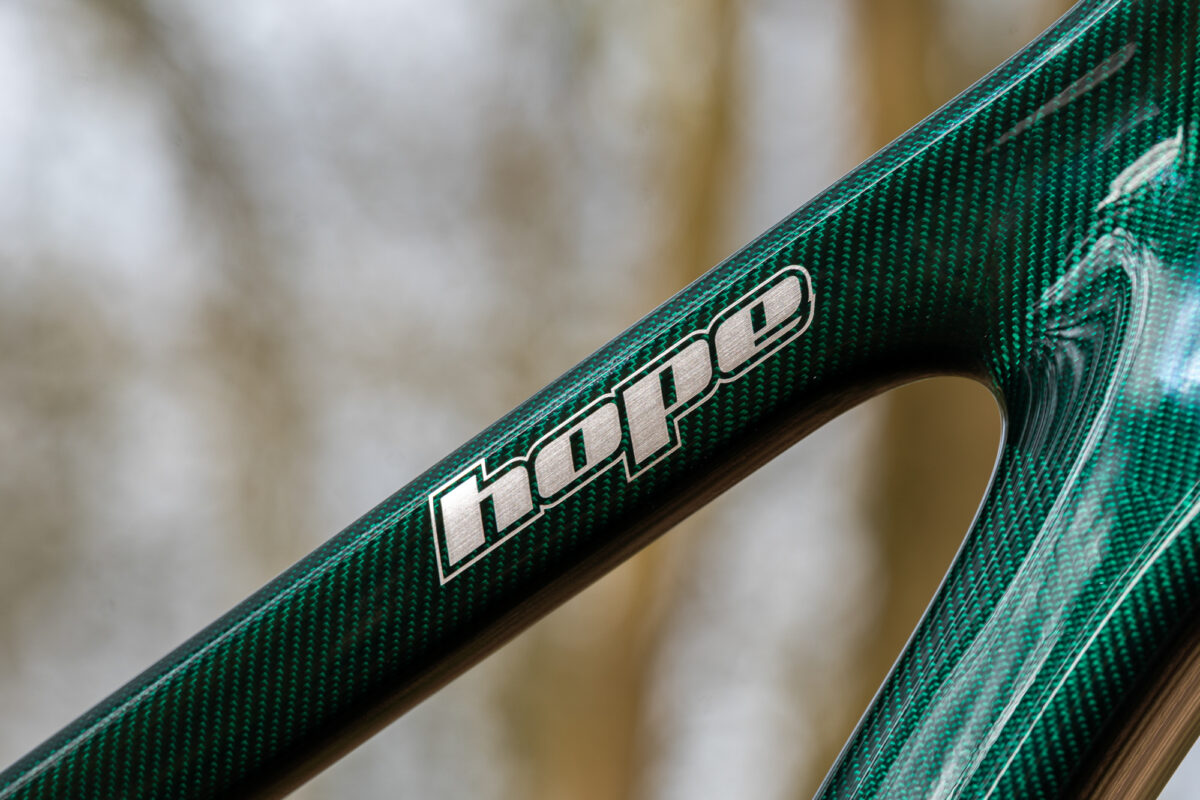
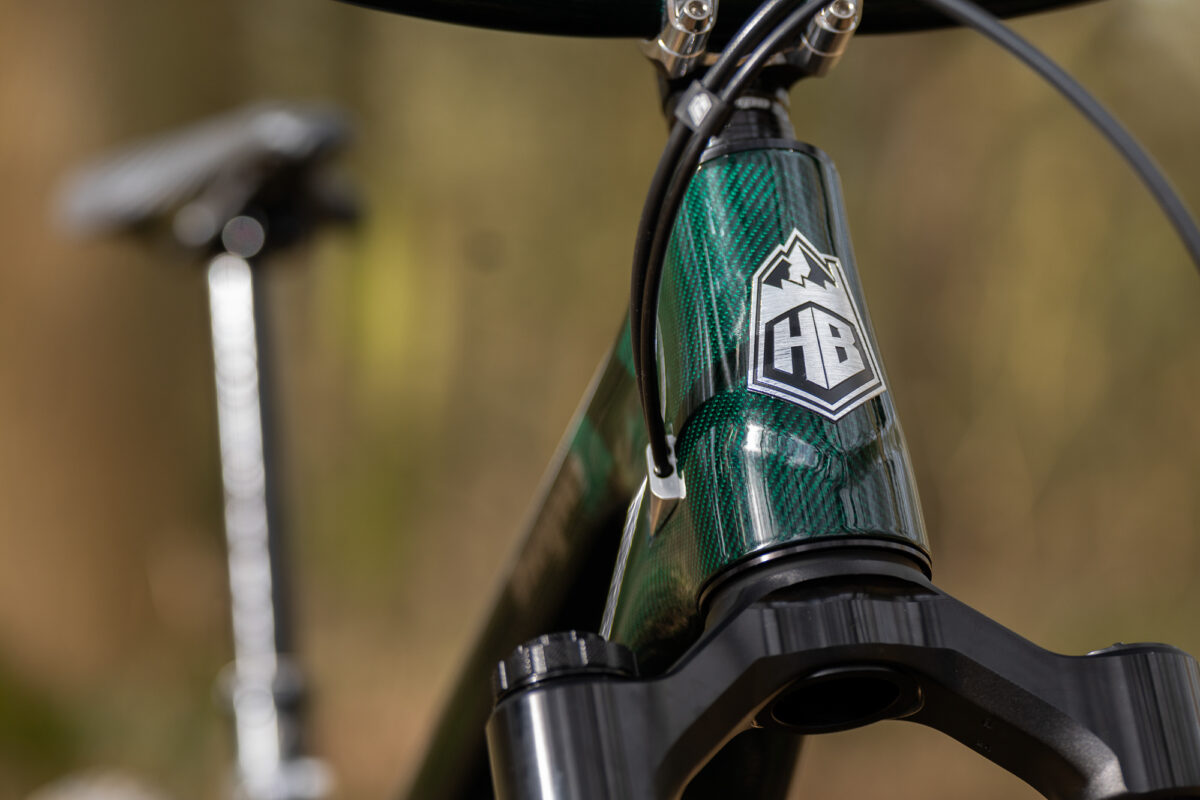
Hope’s new XC/downcountry bike really is an absolute dream build of a mountain bike. For years, I’ve admired the precise and aesthetic layup of the HB916, which, like the HB912, is made in-house in Barnoldswick, in moulds also made in-house to a standard I haven’t seen elsewhere. I’m not going to pretend to be an engineer or to know a lot about building frames with composite materials, but the frame is built up from pre-cut, pre-preg carbon according to a map, as I guess a lot of carbon frames are.
However, on the Hope frames, the weave matches up and is perfectly mirrored at the seams like a Savile Row suit, and every layer as it’s built up inwards is bonded to the previous layer with the same precision, before being cured in huge aluminium moulds in an autoclave. The finish as they come out of the mould is near perfect and doesn’t require any further finishing. However, they do get further finishing, and the new HB912 on show was super tasteful in a dark green lacquer fading to black, with silver Hope parts that had a one-off black Cerakote detailing which worked really well to make the whole thing a bit more subtle.
The Hope components matched perfectly with all the aluminium frame parts – like bottle bosses, cable routing, and the rear linkage – both in terms of finish and design. The rear linkage is a thing to behold: a beautiful, almost sculptural single machined component, with a hole running through it that reminded me of Anish Kapoor’s 2003 Tate Turbine Hall installation, Marsyas. The whole thing was just super light, super well-finished, and like everything else from Hope, a super well-considered piece of engineering that massively exceeds the requirements of what it is. It’s a bike that looks like something I’d love to ride.
Reilly Reflex
Exhibitors in hotel rooms are weird. I kind of love it because it’s so uncomfortable that it’s impossible to ignore the absurdity of the whole situation. It’s a pseudo-domestic setting designed as the minimum space required for a different activity. In the bigger banquet rooms and suites, it kind of makes sense, since they hold all of the brands represented by a particular distributor. There’s enough space to spectate without becoming a participant, to look around without feeling the need to engage with anyone.
The smaller, more intimate rooms occupied by individual brands have a vibe. A room that’s empty apart from a solitary sales rep waiting for someone to come in can feel a bit awkward to enter casually. A room that’s too full, on the other hand, feels almost too intimate – like you’d be interrupting something important by entering the tiny room, especially if both sales reps are already speaking to people.
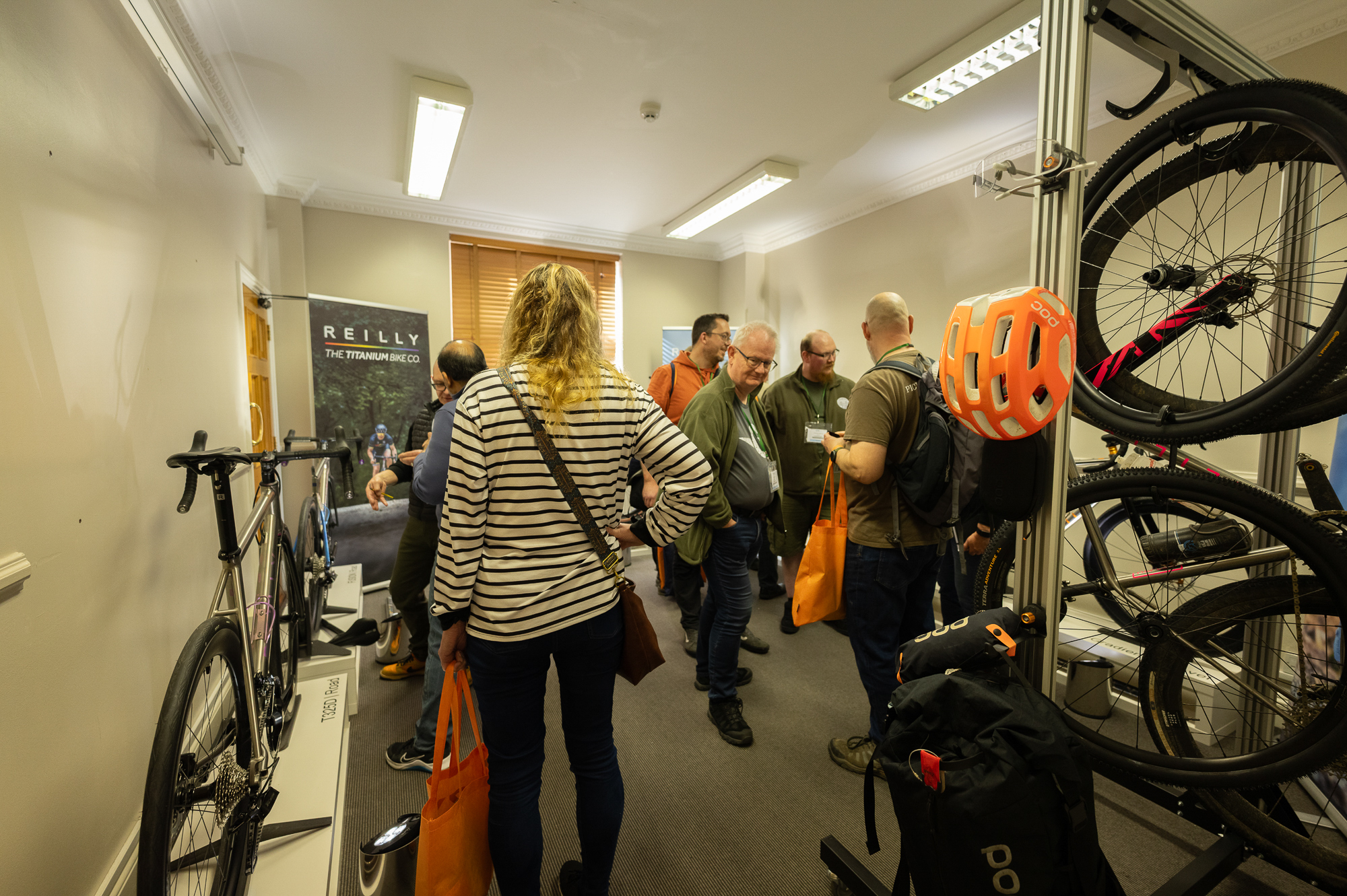
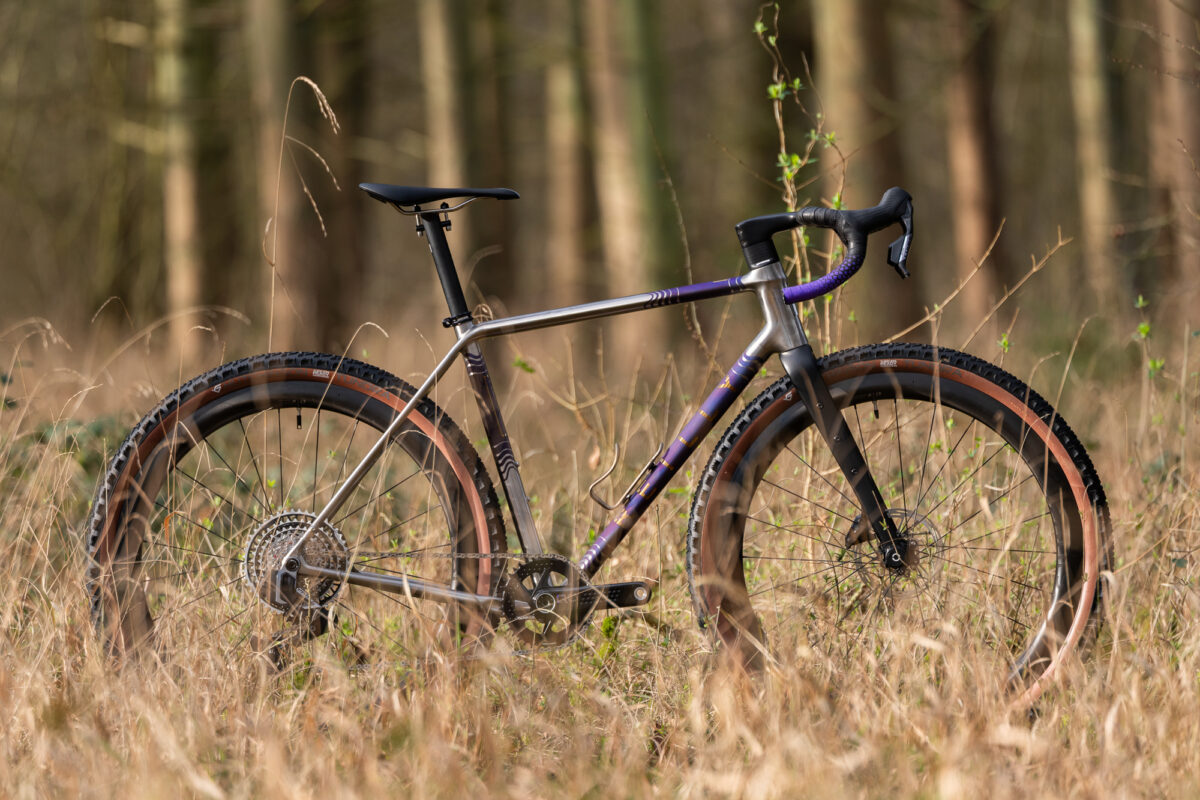
The Reilly room was tiny, with kooky carpet, a low ceiling, a drawn venetian blind, and about ten people crammed in when I wedged myself into the mix to have a look around. Reilly is a kind of interesting brand in that they tread the line between custom and stock, with a series of super-customisable stock models. They don’t offer total freedom to imagine anything as standard; rather, they have a set list of customisation levels with prices associated with each, offering enough customisation for a bike to feel unique, but not so much that it’s overwhelming for customers.
A dealer show makes sense for a brand like Reilly, since by offering some limitations or guidelines they’re able to sell frames as a platform for local bike shops to build, without too complex or involved a process. They never run discounts. It’s a nice way to sell frames because it means shops can sell all the parts and assemble the bike, and customers are already set up with somewhere local that can look after their bike.
It forces people to find their good local shop and build a relationship with it, and while shops might not be selling a whole bike, a customer is being sent to them and they’re selling most of it. It’s just selling stuff the same as everyone else, but with a focus on the real, which builds relationships, which builds community.
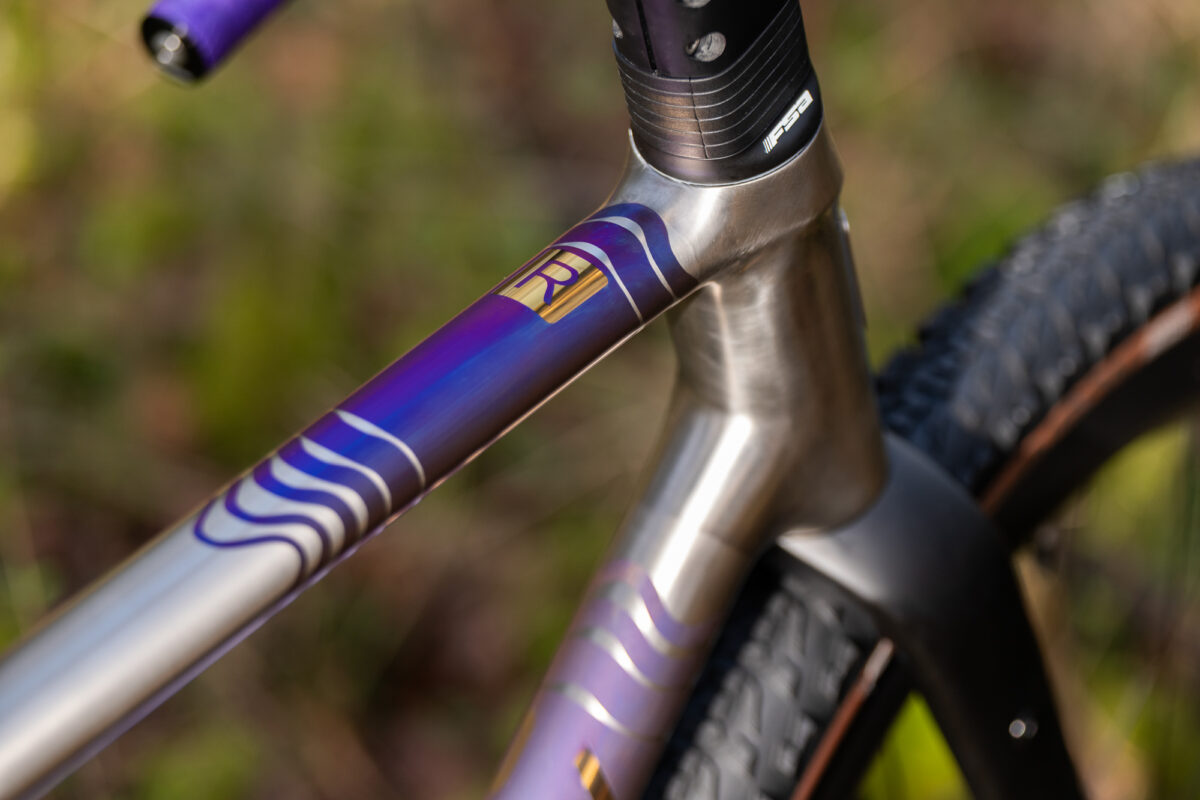
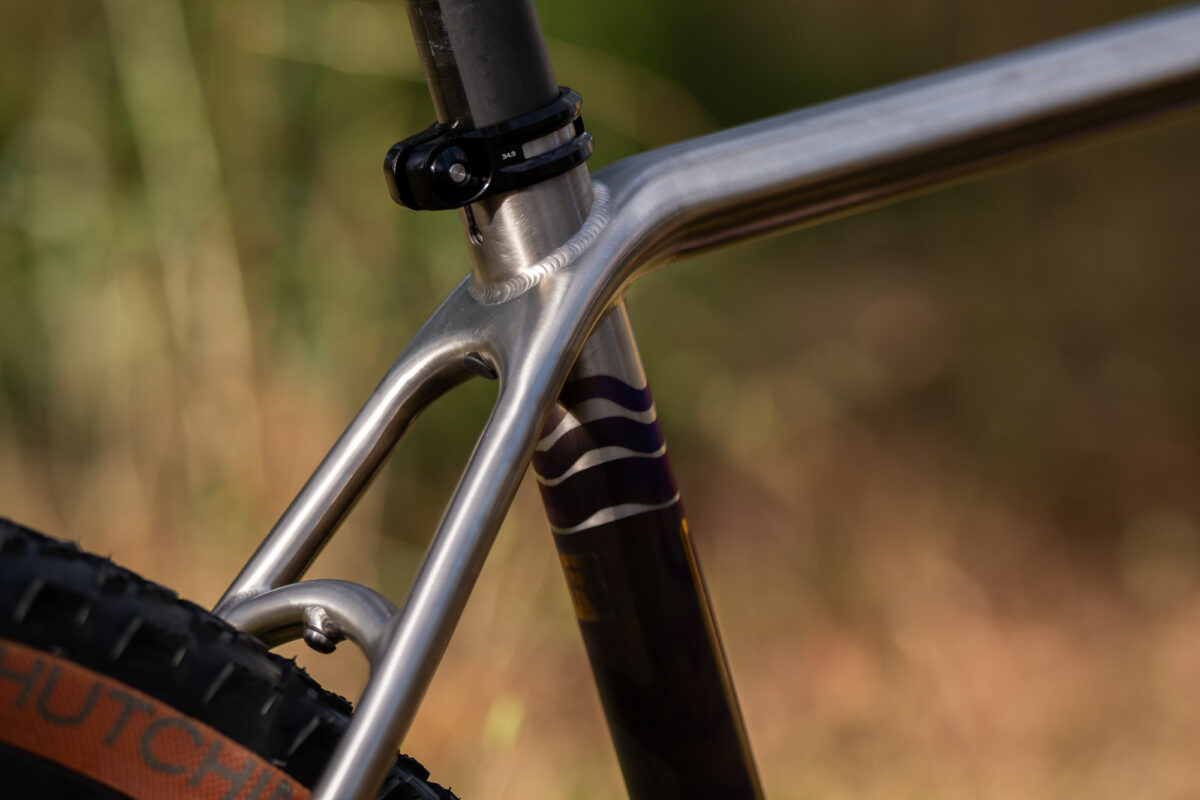
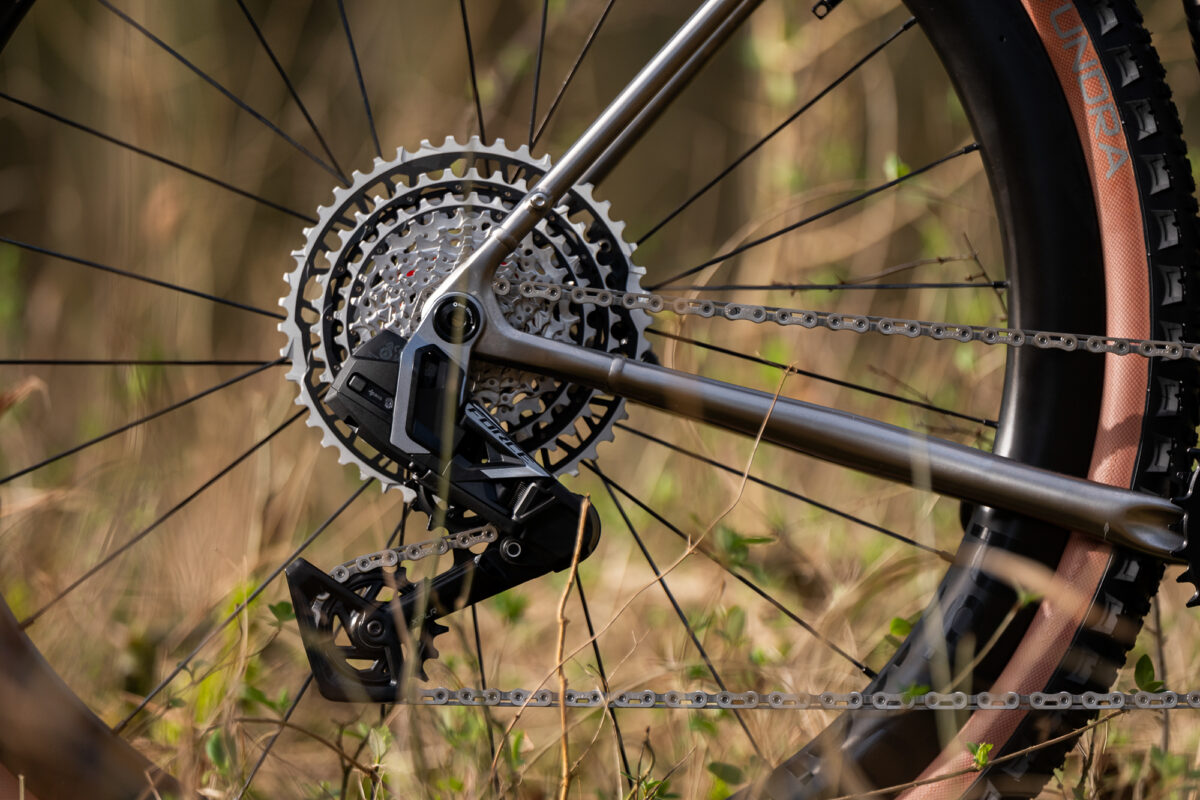
The Reflex I photographed offers their top level of customisation and is a combination of brushed, polished, and anodised titanium surfaces. It’s a finish that works super nicely on a titanium frame because it adds a bit of texture and depth to the surfaces. It was my first time seeing the QO Grava cranks in the flesh, which look a bit like a Sram crank and an Ingrid crank had a baby.
I liked the finish and the build, and hanging out for dinner that evening in the weird dining room, which feels like a relative’s wedding I might have been forced to attend as a child, but without a bouzouki band or a dance floor, and with a relatively dry best man’s speech.
That Manitou Off The Internet With Forks On The Back
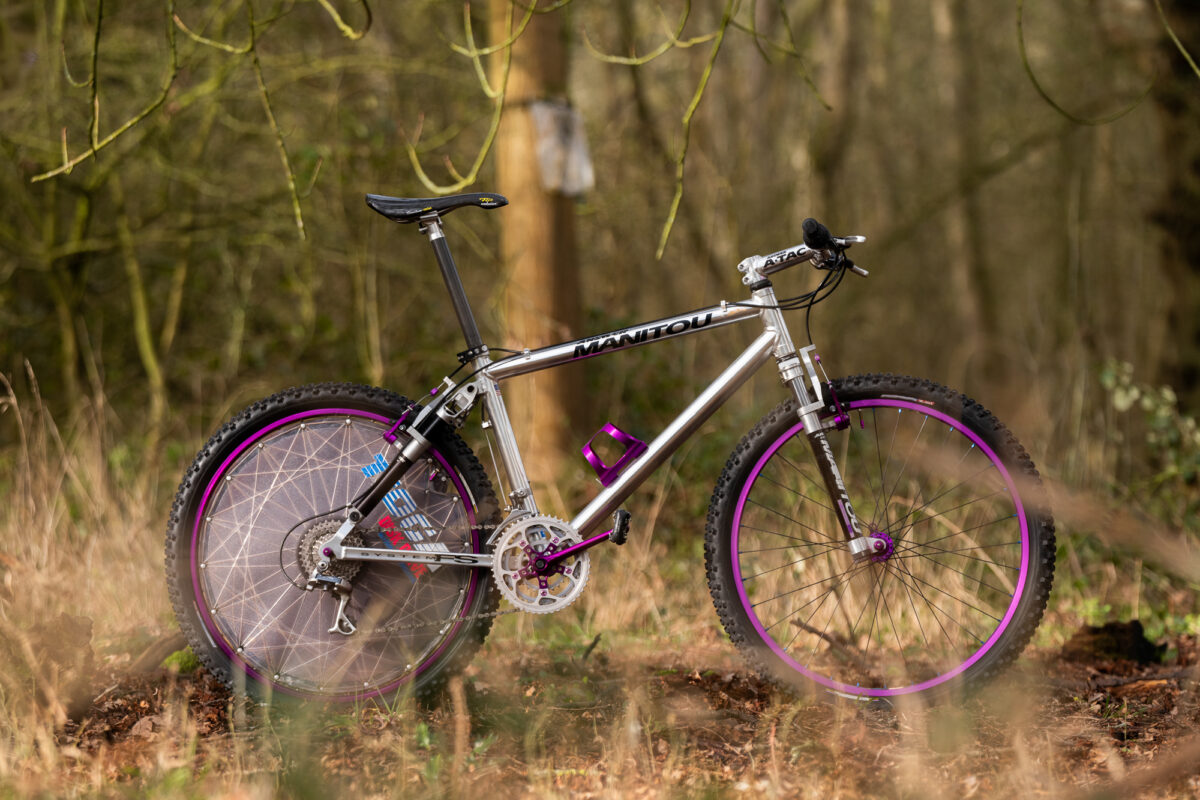
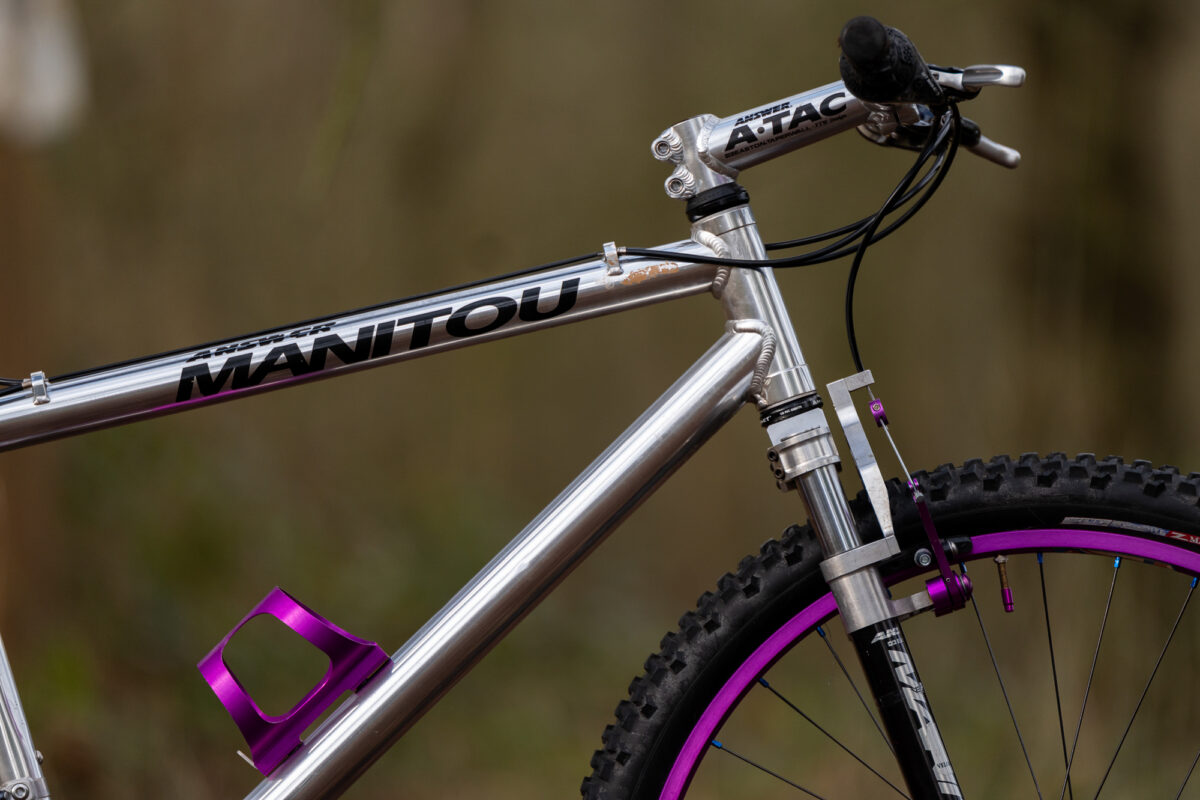
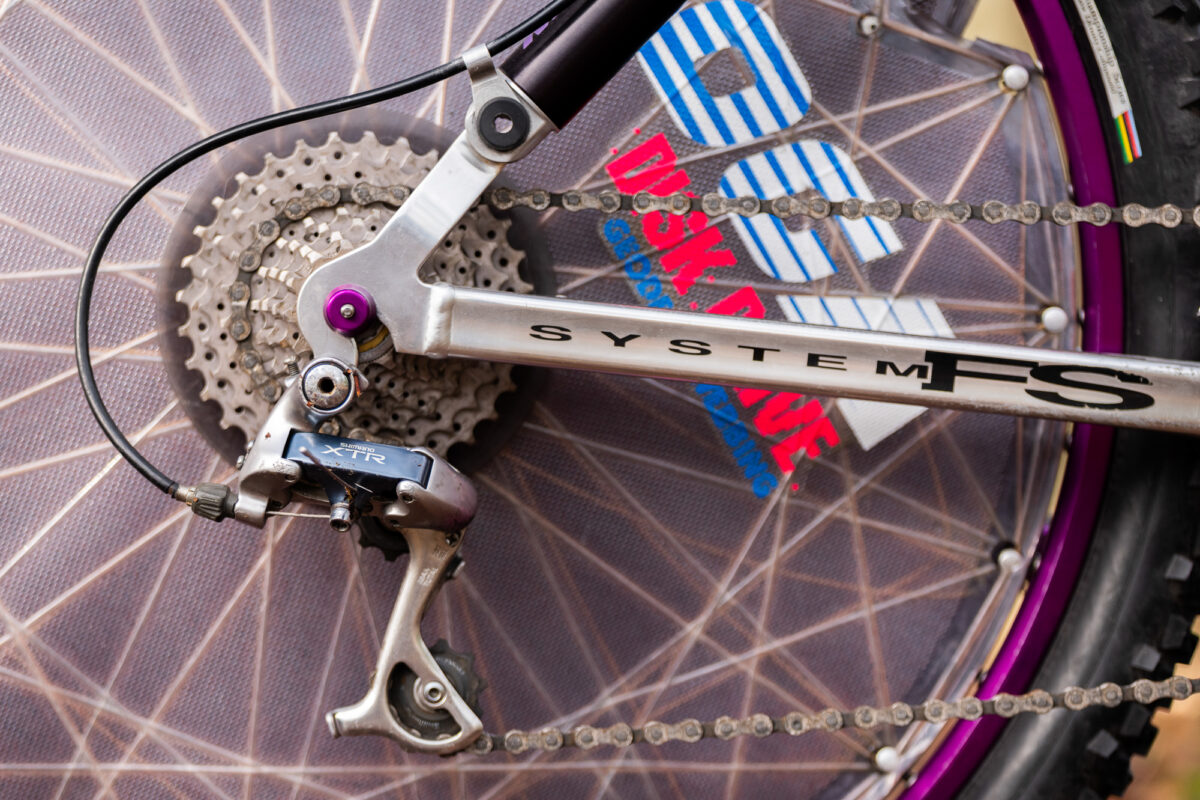
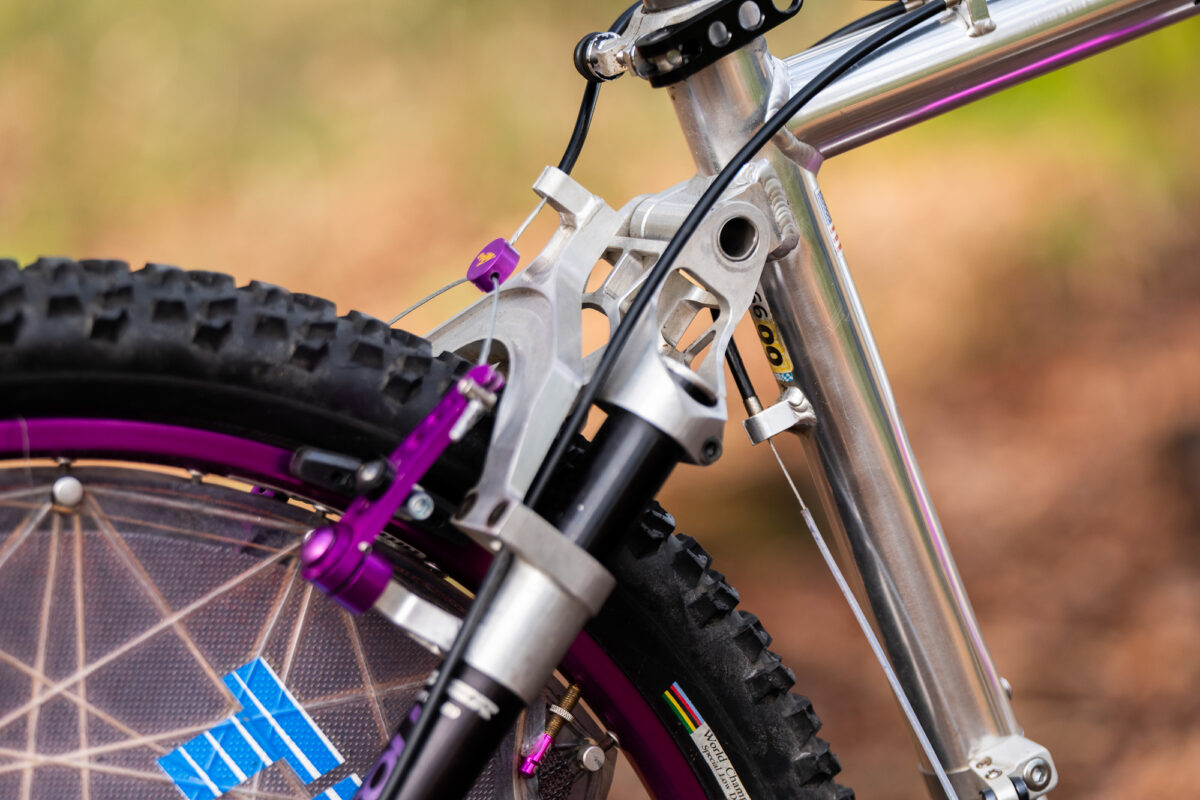
When this bike did the rounds on the internet a year or so ago, I was really focused on the rear suspension (which I love) and didn’t take in the rest of the bike or why it’s interesting. Ison Distribution kindly let me take it down from the rafters of their tent to photograph it. I loved that it wasn’t too pristine. This bike was ridden and raced, so the drivetrain was worn and the frame was dented and scratched.
It still had its original Ritchey Z-Max tyres, which were cracked and basically unrideable, and everything on there was period-correct (ish) and imperfect. The bike was from an era when Gripshift was an upgrade, tension discs were winning races, and centrepull cantilever brakes reigned supreme. I love the simple blocky shapes of all the machined parts – specifically the rear fork crown/pivot, which was a thing of beauty in itself. I love the rear dropouts for how ridiculously simple they are, both aesthetically and in their design and manufacture. I love that it’s fancy and frilly and purple, but also an XC race bike, as it would have been raced.
It was fantastic in contrast to all the 20 kg performance e-bikes that the show was littered with, not only because it was super easy to lift over a fence to shoot in the woods, but because it’s just so much more optimistic and forward-thinking in the way it was designed and put together. It’s fun on fun, on excitement and optimism. I’d love to ride one to get a gauge of what that rear suspension feels like. Probably pretty good.
Dawes Super Galaxy OG Ortlieb
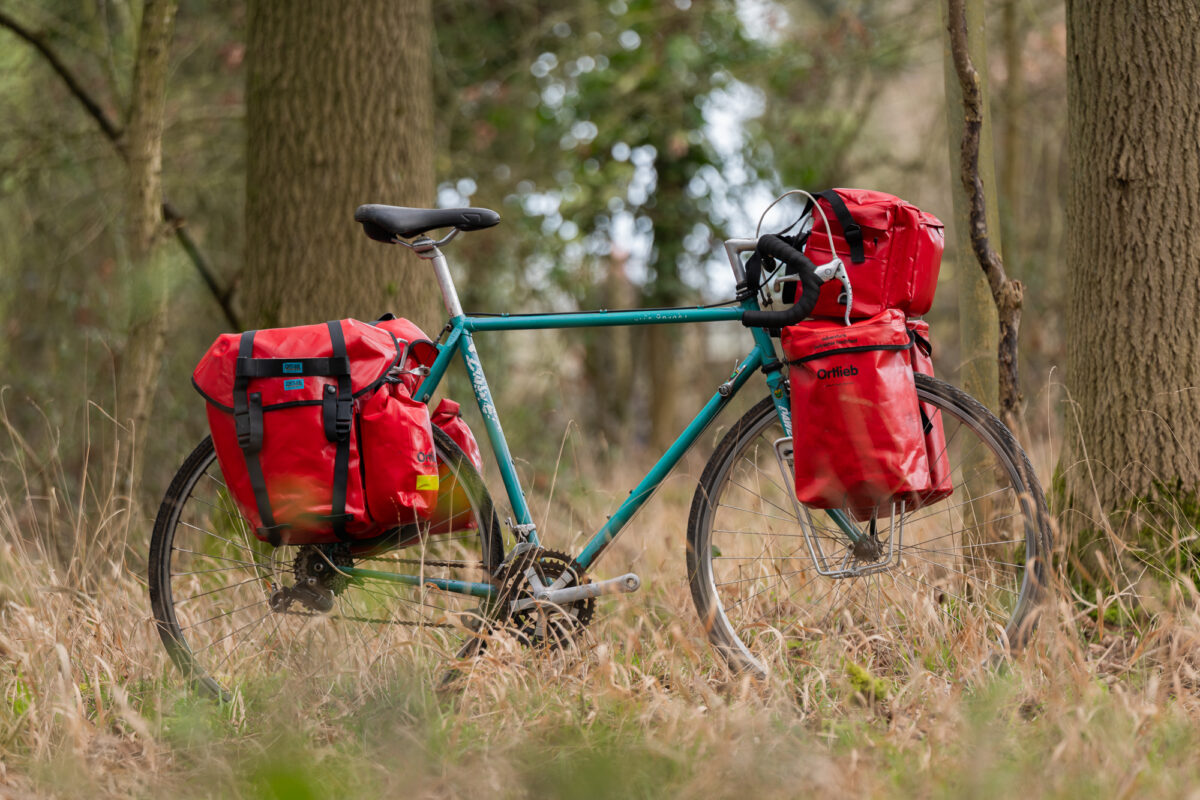
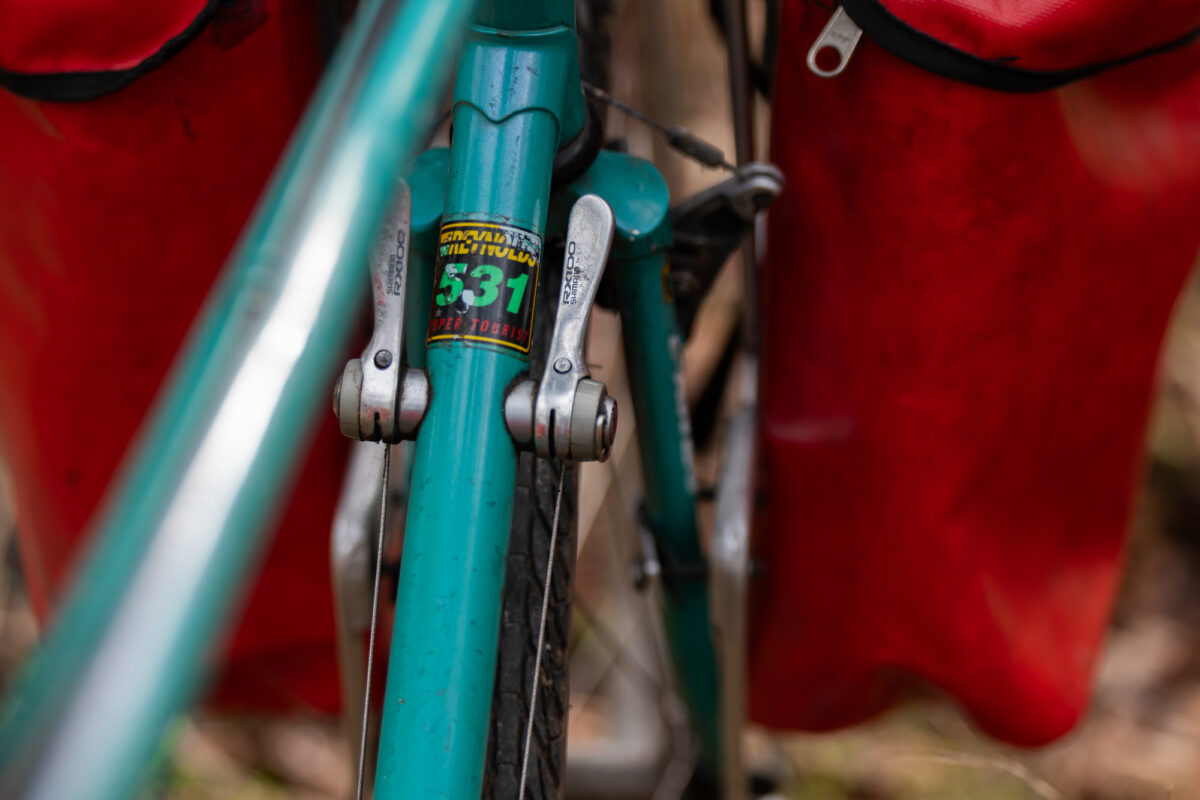
My undoubted favourite bike of the show was this Dawes Super Galaxy, made from obsolete-diameter Reynolds 531 Super Tourist tubes. I have a fondness for this particular iteration of the Dawes Super Galaxy because it was my first touring bike, which managed three loaded treks from Land’s End to John o’ Groats before the TT/HT lug cracked and the somewhat agricultural MIG-welded repairs began.
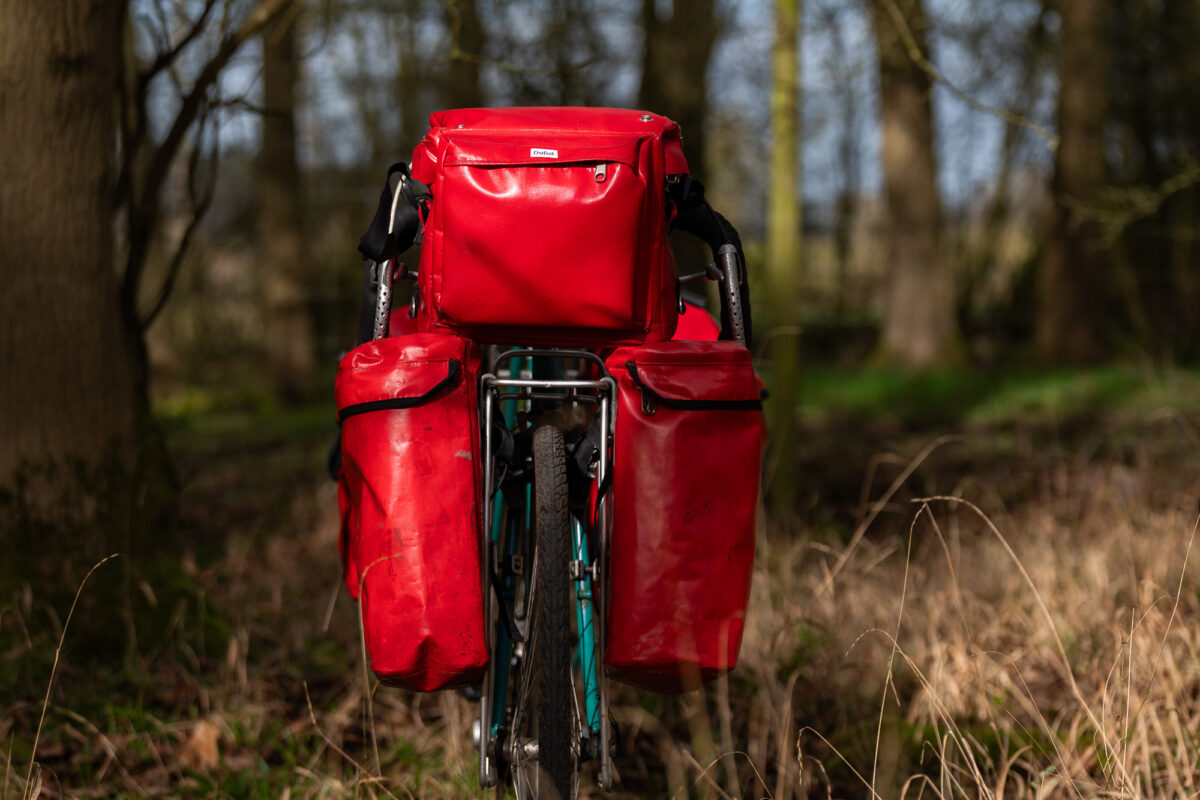
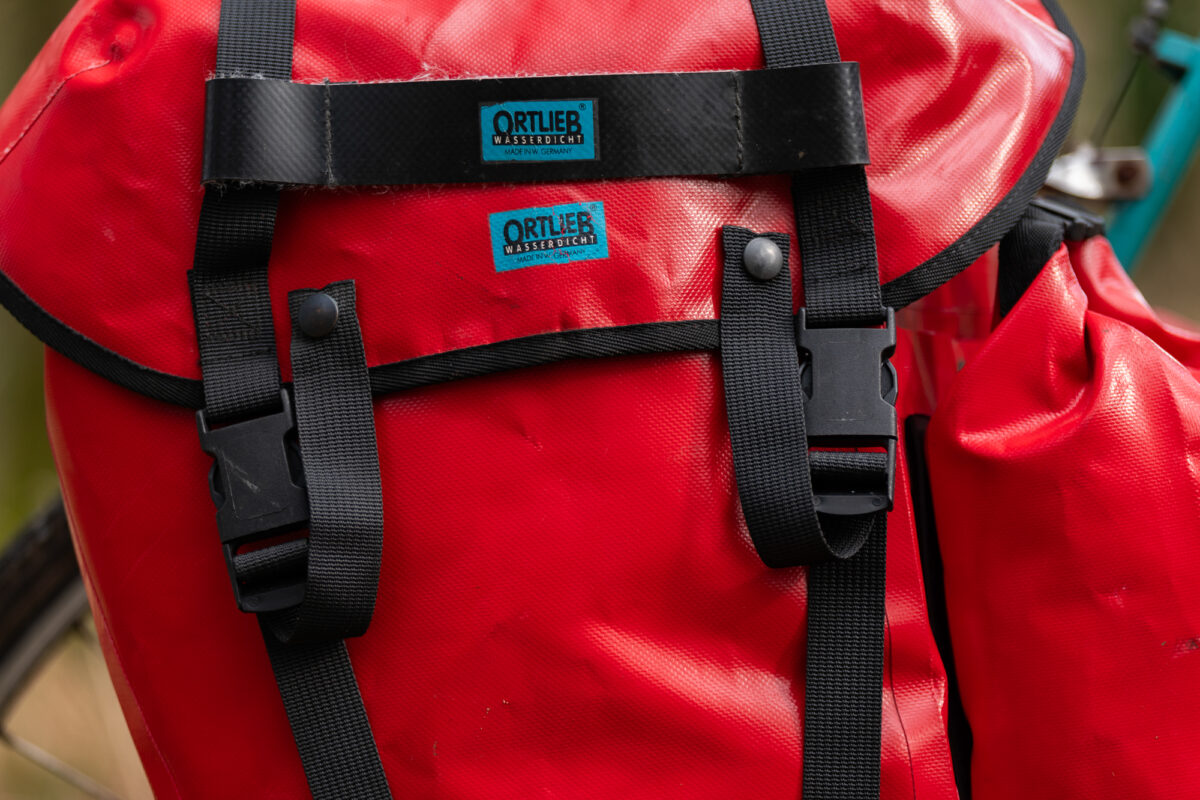
Despite my irrational fondness for the bike, the really interesting part was that mounted on it were Hartmut Ortlieb’s personal set of panniers, which he made on his mother’s sewing machine. Famously very German, the original Ortlieb panniers were ironically inspired by a trip to the UK, where rain on a cycle tour is as certain as death and taxes.
The original panniers were sewn and taped – Ortlieb moved on to the current seam-welding technology a few years later. The design is simple, lightweight, and expandable, taking inspiration seemingly from classic mountaineering backpacks, with an additional roll-top pouch pocket that clips on (which was mounted backwards on the bike on show).
My favourite bag was the bar bag, which wasn’t really attached to much properly and just sat on the front panniers rather than the front rack. I liked it because it’s clearly an iteration of a classic rando bag, reinterpreted in PVC, which sits as a perfect halfway point between rando bags and Ortlieb’s current front bag offering.
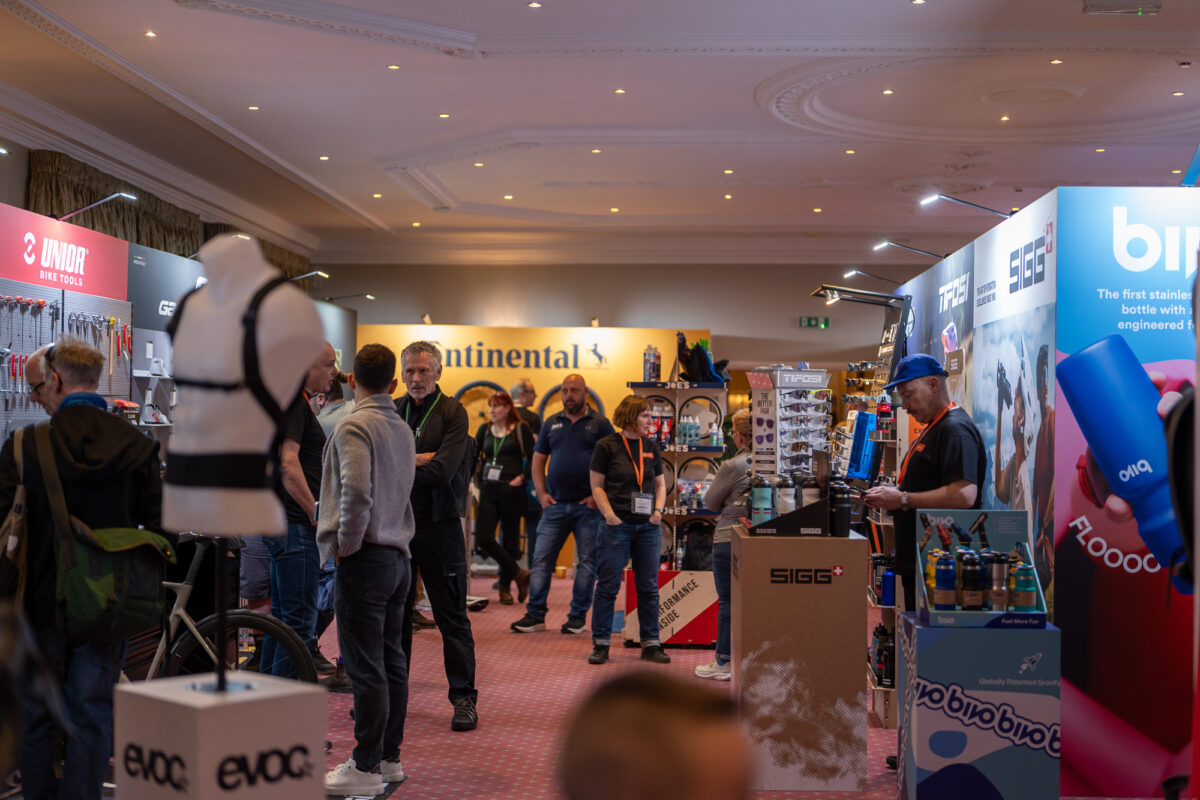
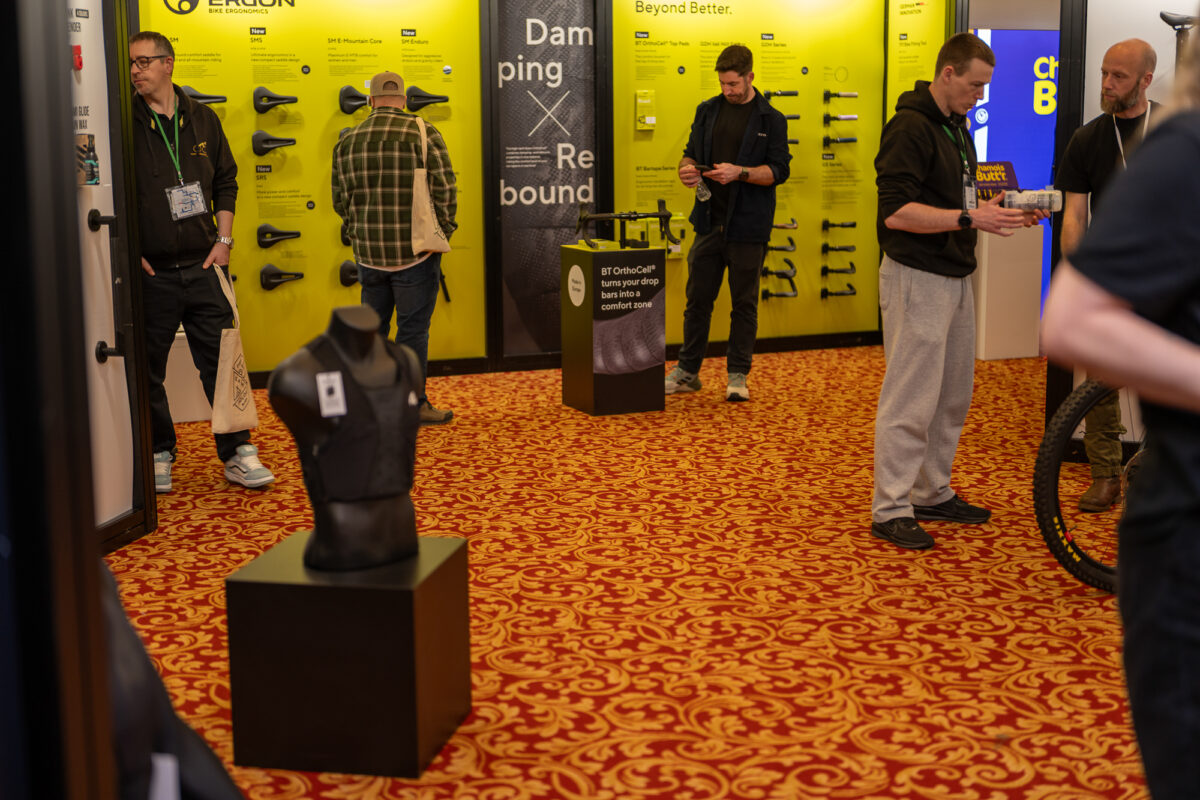
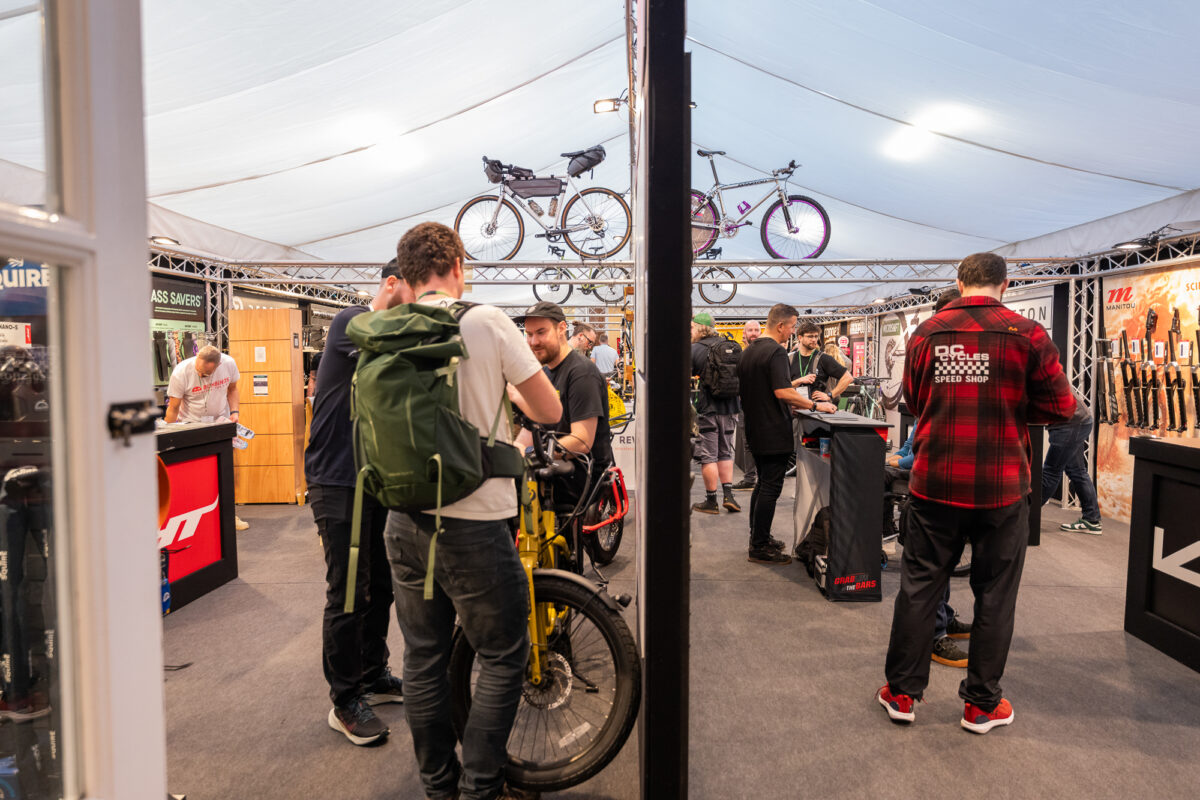
The hotel itself is very strange, not at all unpleasant. Somehow it’s extra-normal to the point of becoming eccentric. I travel a lot, and so I’ve stayed in my fair share of hotels, and it’s in a way a breath of fresh air to stay in a place that’s independently owned and run, and that’s far enough from its most recent refurbishment to have strayed organically from the original concept, with patch repairs and accumulated decoration. It feels like a proper hotel rather than a chain, and attracts an eclectic mix of motorsport enthusiasts, spa weekenders, golfers, and – for at least one weekend a year – bike nerds.
Core Bike has found its soul mate in a venue.
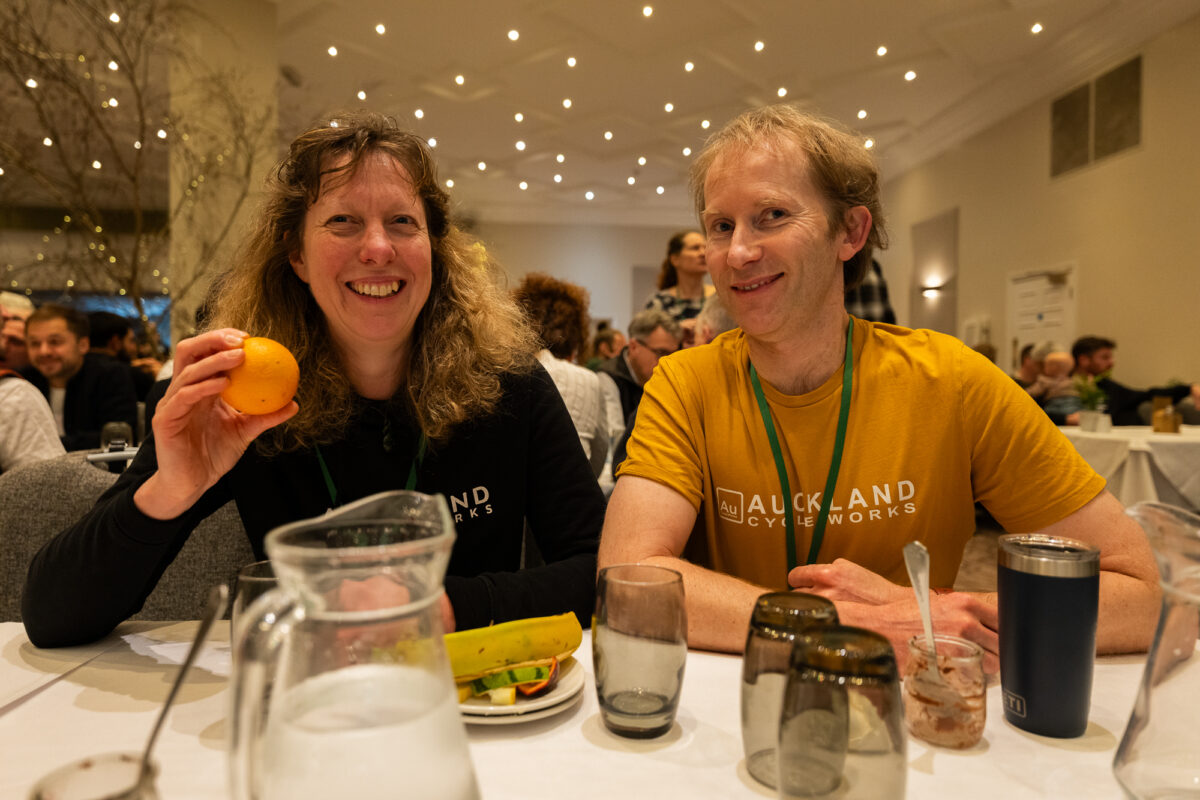
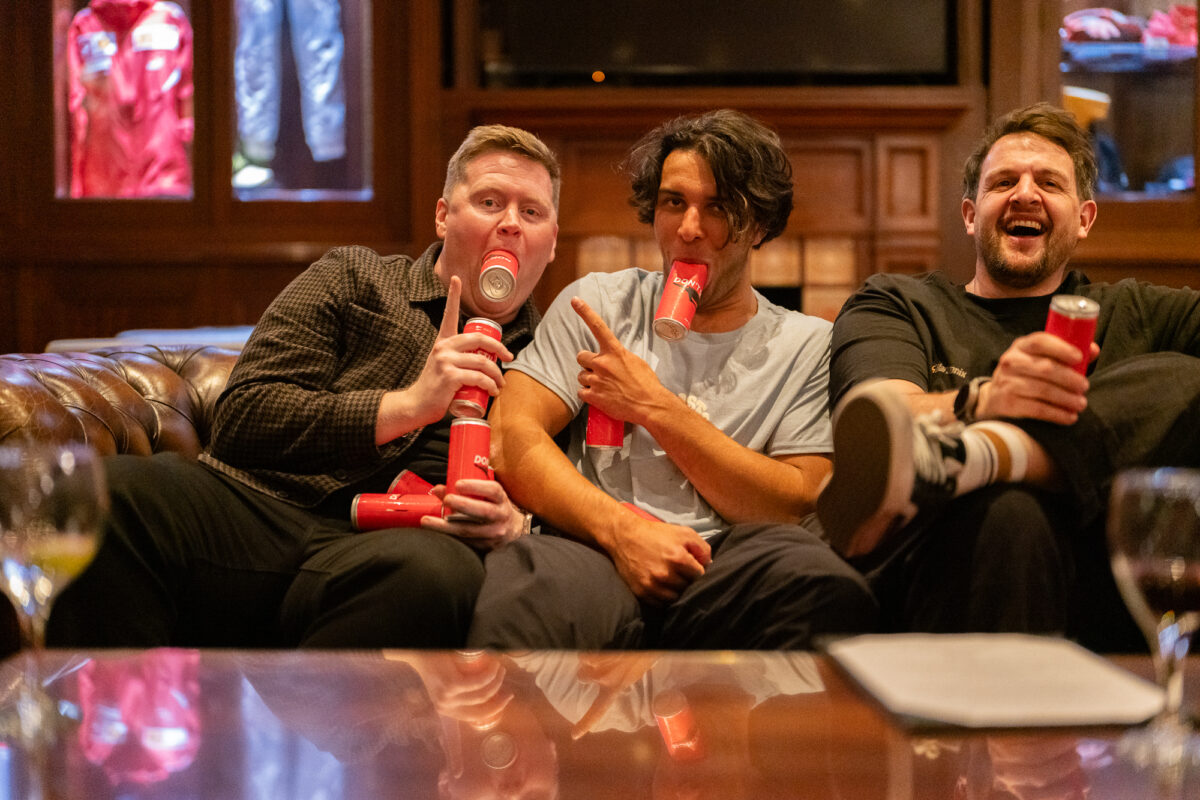
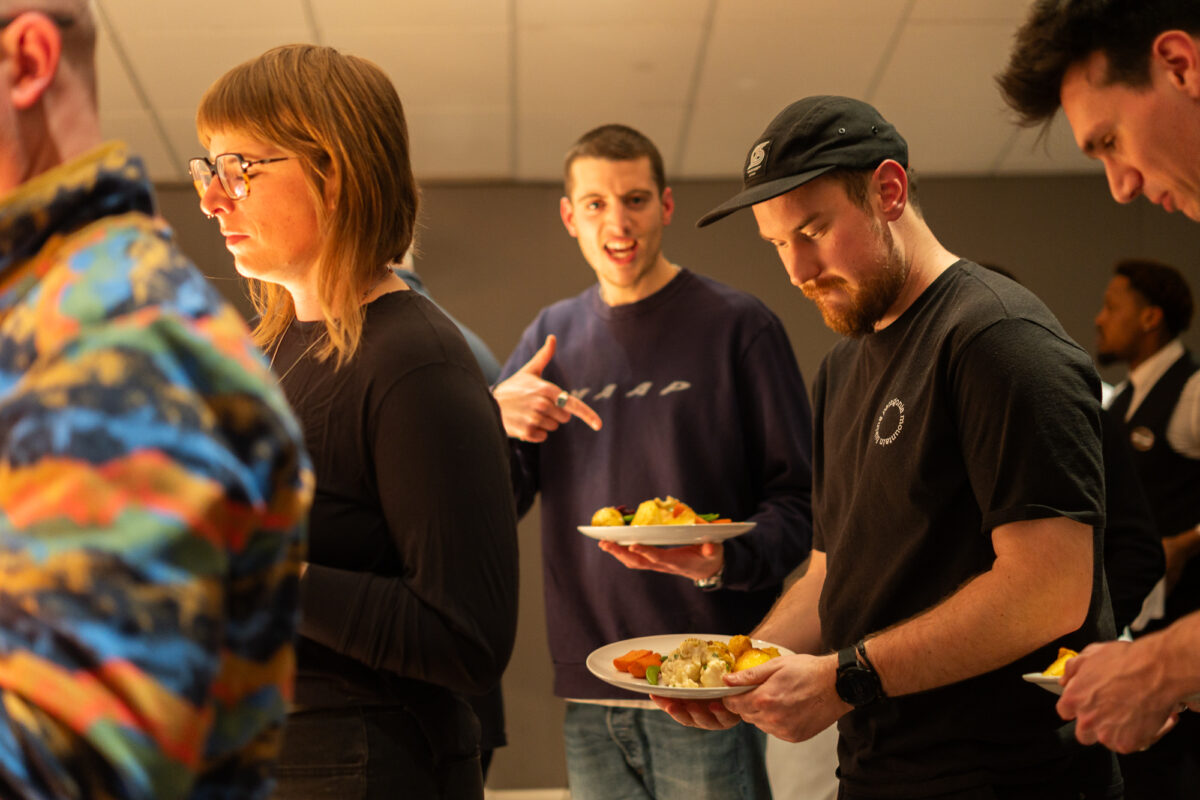
The show has heaps of personality in a lot of different directions. It’s shop and dealer focused, so it’s a nice touchpoint to see what and who is still around and what they’re up to – like a school reunion for travelling salesmen, who get to meet up once a year in a middle-of-nowhere, centre-of-England hotel bar and share stories about how they sold their soft porn empire for a stake in a cycling brand.
From bike industry legends like Martyn Ashton to companies and distributors swapping the same pool of staff around, bike people often stay bike people, which is really telling. There’s clearly something keeping them in the industry other than a competitive pay package.
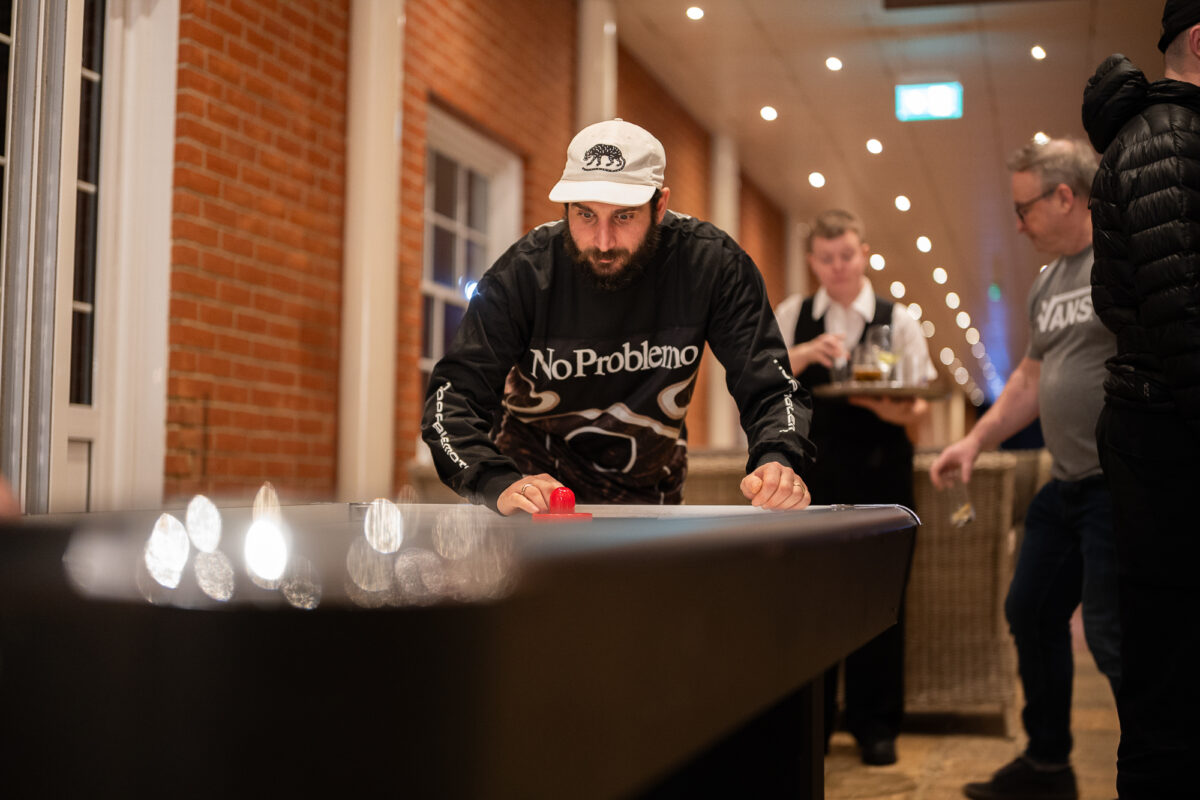
This year especially felt optimistic. The oversupply and discount hangover seems to be wearing off. Plenty of shops have gone out of business (and I’m sure more will), but in the wake of the last decade of super instability, the businesses that managed to survive seem to be slowly doing okay again.
Either the UK cycling industry has become so accustomed to its own misery and set its expectations so unbelievably low that just surviving has surpassed all expectations, or things are getting a little better at shop level, which is exciting at every level.