







Can a World Cup-level XC bike make Spencer into a racer? Pivot Cycles’ latest Mach 4 SL arrives with their highest-modulus carbon fiber frame, a refined DW-Link suspension platform, and clever Tool Shed downtube storage. Keep reading to find out what he learned from his first real mountain bike race aboard the new Pivot Mach 4 SL.

I’m at a cross-country mountain bike race northeast of Phoenix on one of the coldest days of the year, which still means hot, at least once you’ve finished racing. I just finished second-to-last in my category, which had a generously broad age range of 19-39. I’m 38.
Last night I got word that my spouse’s bike – stolen last summer – had been spotted on Facebook Marketplace. As I sit here, people are out recovering it, apparently planning to offer the seller a chainsaw as a peace offering. I can’t believe it finally surfaced right where we always suspected it had gone: Aberdeen, Washington. Meanwhile, updates are coming in from Chicago that a close friend is dying from an infection and liver failure.
All of this is hitting me at once, sitting next to a porta-potty, after a morning spent pretending to be a bike racer on a $12,000 XC machine.
Morbid way to open a gear review, I know. But I wanted to set the scene honestly.
I have never done anything resembling an official race. A few alleycats, some bandit cross races – once even on a tallbike – but I’ve never affixed a race number to my bars. When Pivot invited me to their Mach 4 SL launch camp, which included the aforementioned XC race, I was hesitant. I am not a bike racer. As with past Pivot reviews, I had to resist the urge to bend the bike toward my own strange preferences and instead meet it on its own terms. And what better place to meet an XC race bike than an actual XC race?
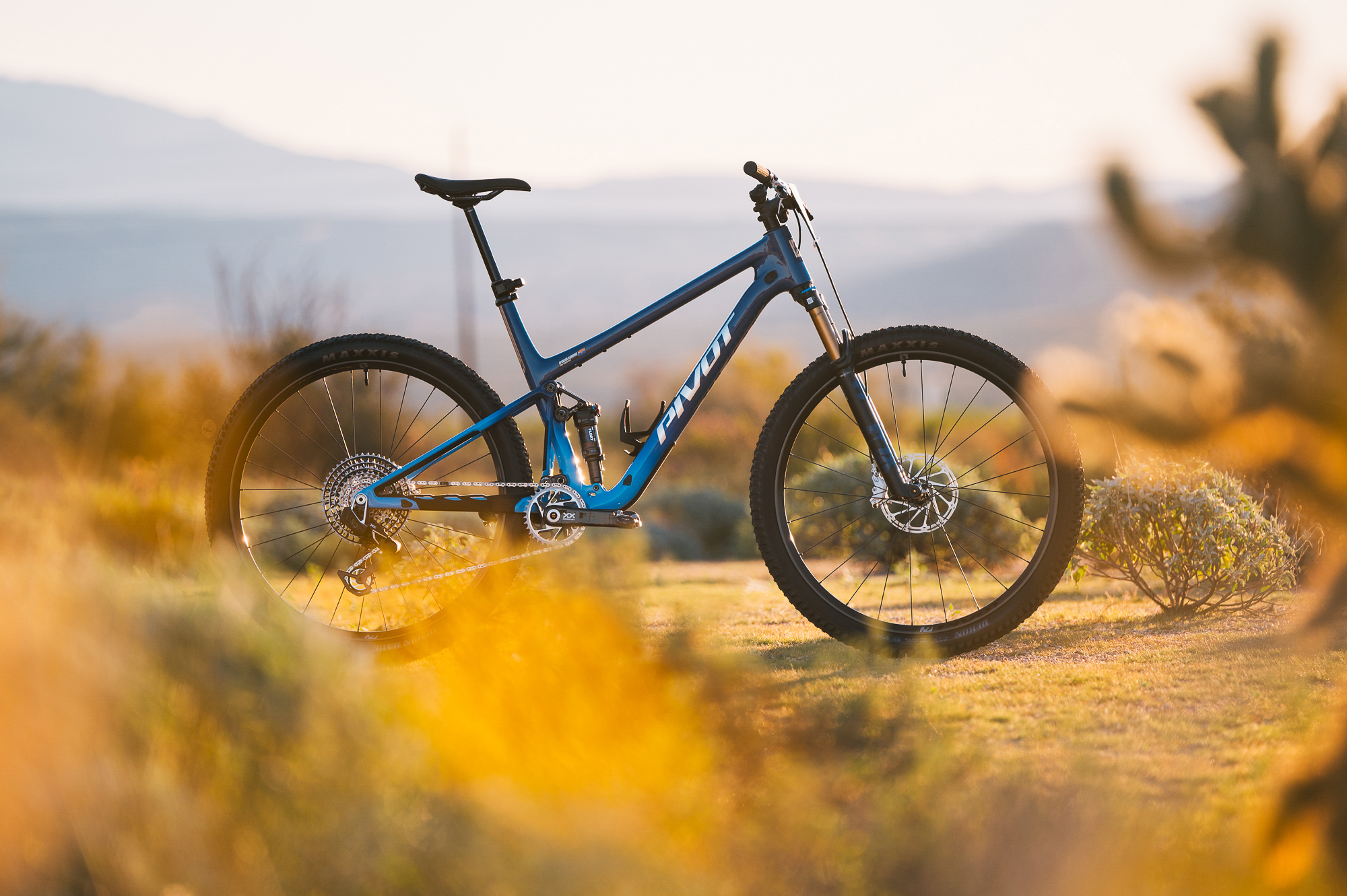
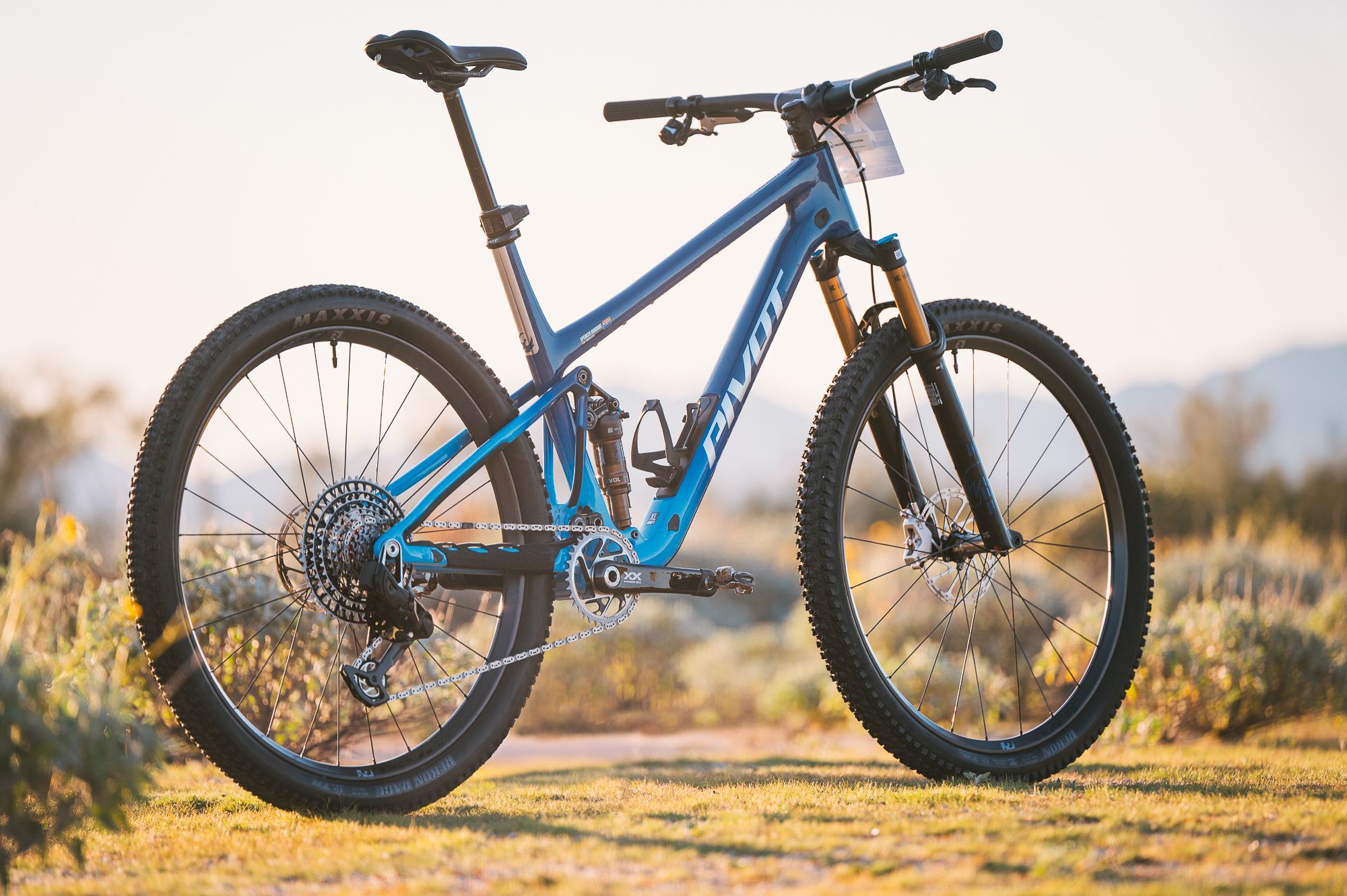
2026 Pivot Mach 4 SL Quick Hits
- Colors: Blue Stellar Fade and White Avalanche
- Frame Weight: 2500 grams/5.5lbs (with shock)
- Boost hub spacing
- Carbon frame
- 29er specific (29 x 2.4″ max tire size)
- The frame fits one large bottle in all sizes (M-XL can run two bottles on the downtube)
- 31.6 seatpost
- 110/120 mm rear travel via flip chip
- 120 mm front suspension
- Pivot Toolshed storage in the downtube
- Press Fit 92 bottom bracket
- 36t max chainring
- Builds Available:
- Ride Eagle 70/90 – $6399
- Expert XT Di2 – $7499
- Pro XO Eagle – $8799
- Team XX SL Eagle Transmission – $11,999 (Reviewed)
- Team XX SL Eagle Transmission Flight Attendant – $13,999

On Course, Out of My Depth
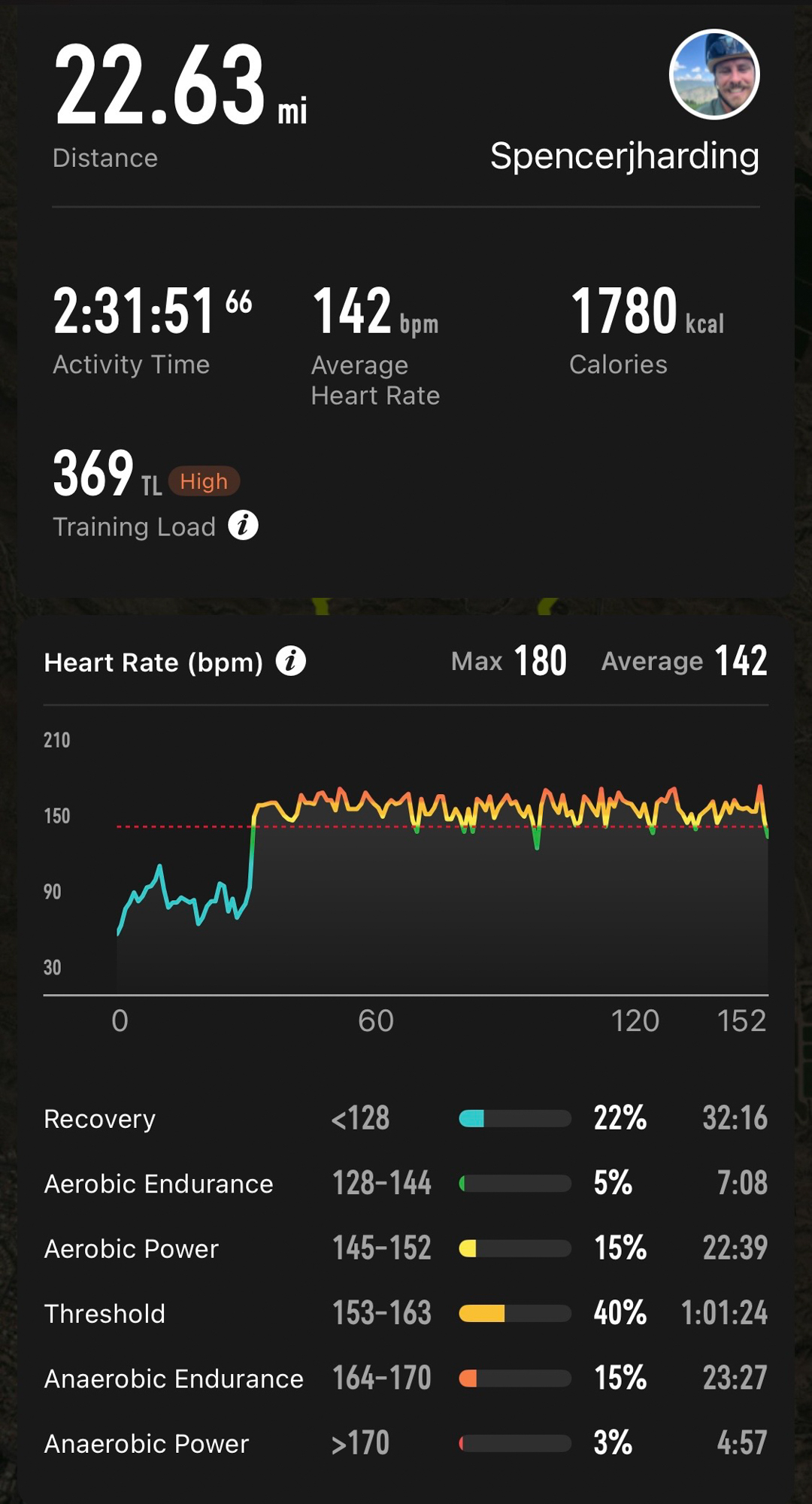
I lined up with my category on a frigid morning in the McDowell Mountain Preserve. The pack launched off the start line and almost immediately formed into a paceline on singletrack, which was impressive to watch from the back, where another journalist and I had already settled. After about ten minutes, what I was doing could no longer be called racing. The remaining 20 miles of my “race” were ridden at the most spirited pace I could muster. I’ll share my smartwatch data below as proof that I was genuinely cooked by the end.
The first lap sent my category through the tech loop, including several blind drops marked with double-black-diamond signs. I hadn’t had time to pre-ride the course, so sending them was the only option. Hitting drops with commitment on a bike I’d thrown a leg over for the first time thirty minutes earlier – and had ridden maybe two miles total – is apparently just part of being a bike journalist. The drops were well within reason for the terrain and the bike, but those moments, even as optional features, illustrated something worth noting: XC courses are getting harder, and the bikes expected to race them are being asked to follow. I experienced no over-the-bars moments and no crashes. The Mach 4 SL handled its home Sonoran Desert terrain without complaint.
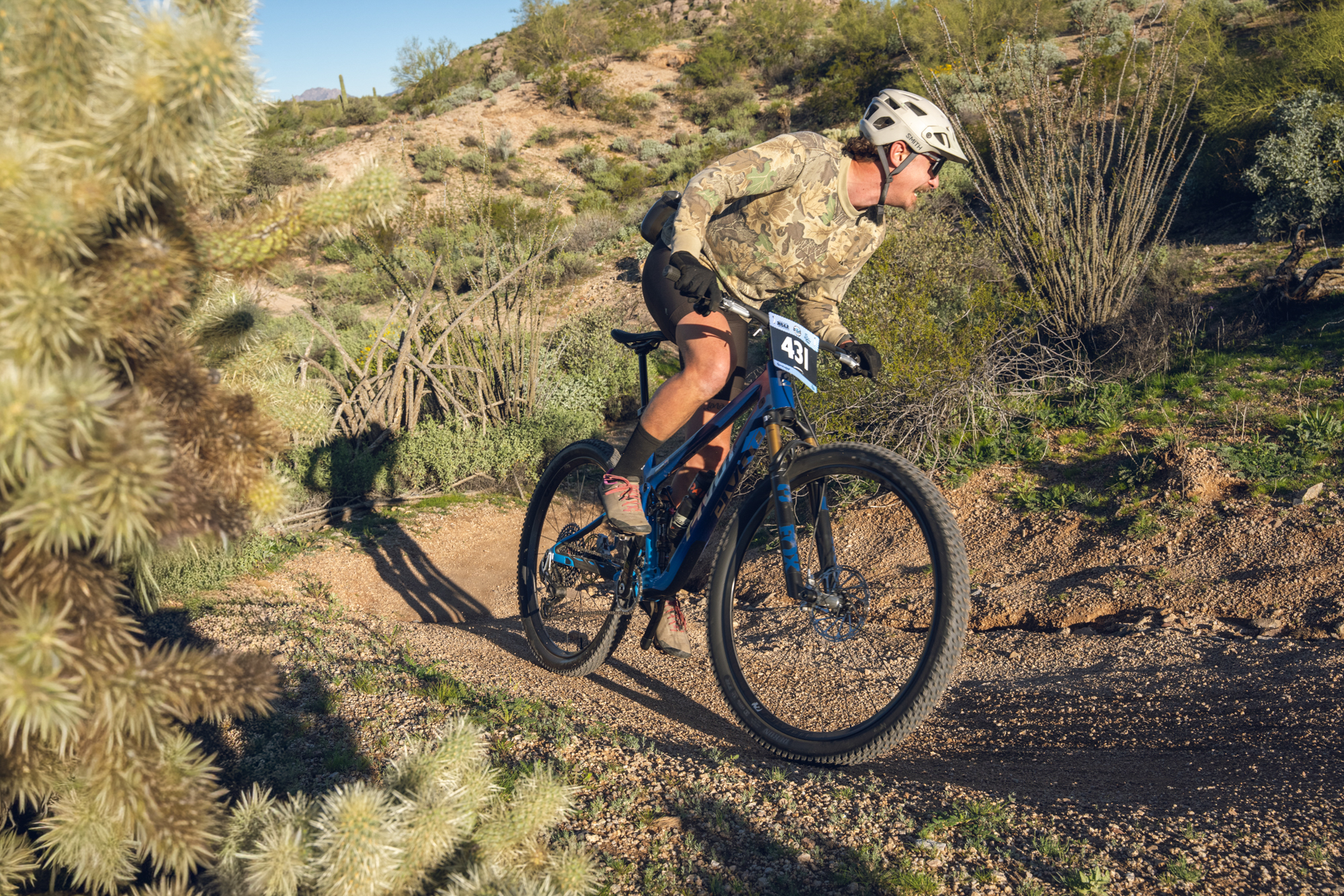
Climbing efficiency is a given with XC bikes. They’re built around pedaling performance, not the plushness of a trail or enduro rig. The Mach 4 SL climbs well, as expected. But that wasn’t what impressed me most about its pedaling dynamics.
Where the bike really stood out was seated, rolling through baby-head rocks and chunder at pace. It tracked through the rough with an uncanny consistency – never breaking my cadence, never bucking me out of the saddle. That balance between pedaling efficiency and small-bump compliance is the product of years of DW-Link development, and on the Mach 4 SL it’s palpable. Pivot has clearly gotten very good at extracting everything the dual short-link design has to offer.
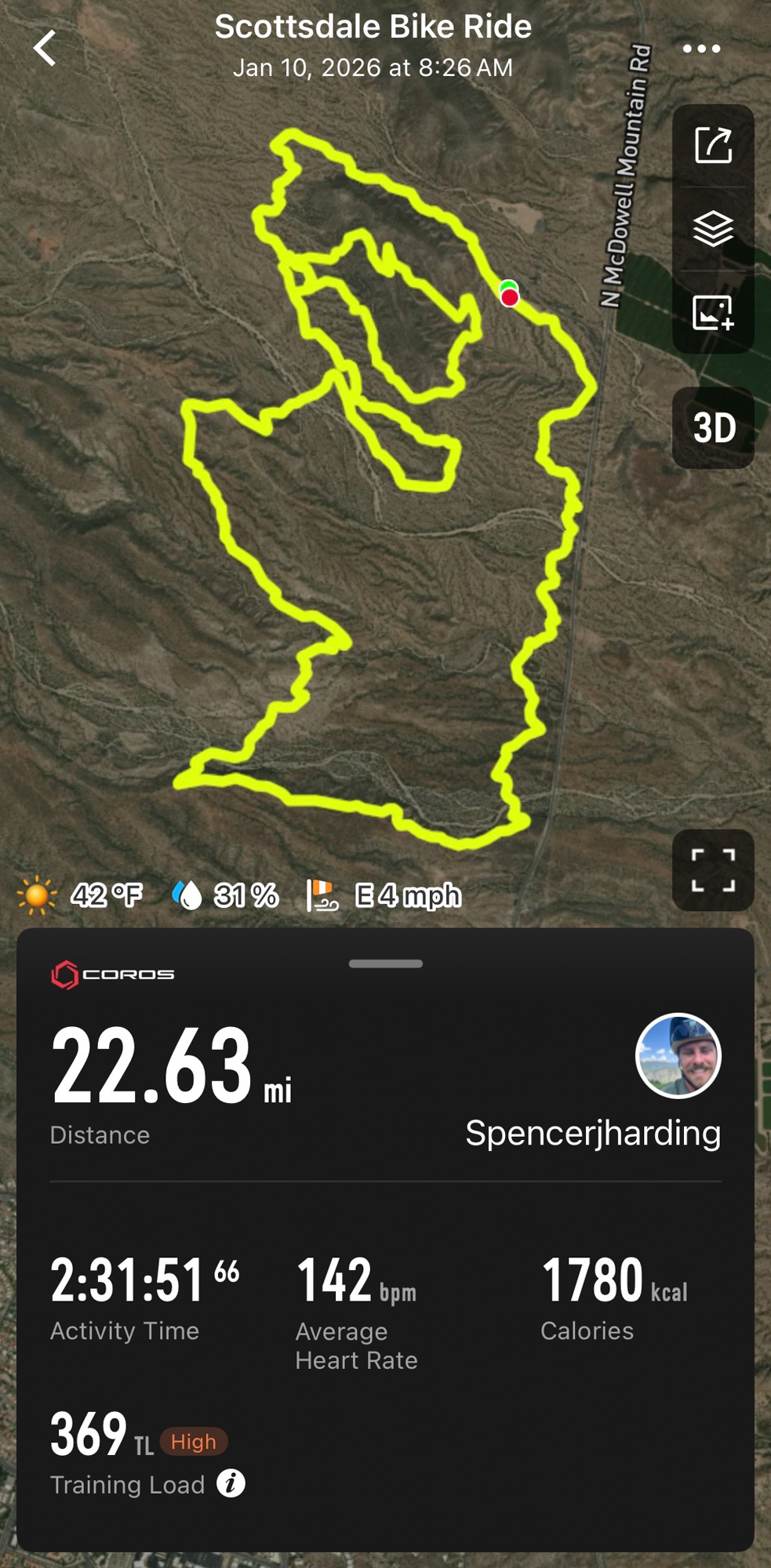
Last year I naively asked a professional cross-country racer how passing even works on singletrack. Having never watched an XC race, I had no frame of reference. I found out quickly that people are surprisingly polite about it when you’re at the back of the pack – a simple “on your left” and they wave you through. I can only assume the front of the race is a different story.
I spent the better part of my second lap chasing a guy on a yellow steel singlespeed with riser bars and rim brakes. I chased him for a few miles, doing my damnedest to leverage what had to be a staggering technological advantage and make something happen. In the end, his chain snapped and the decision was made for me. I gave him a fist bump and a few words of genuine admiration as I rolled past.
I am not a racer. This much was now clear.
Off Course, Heart Rate Relaxed
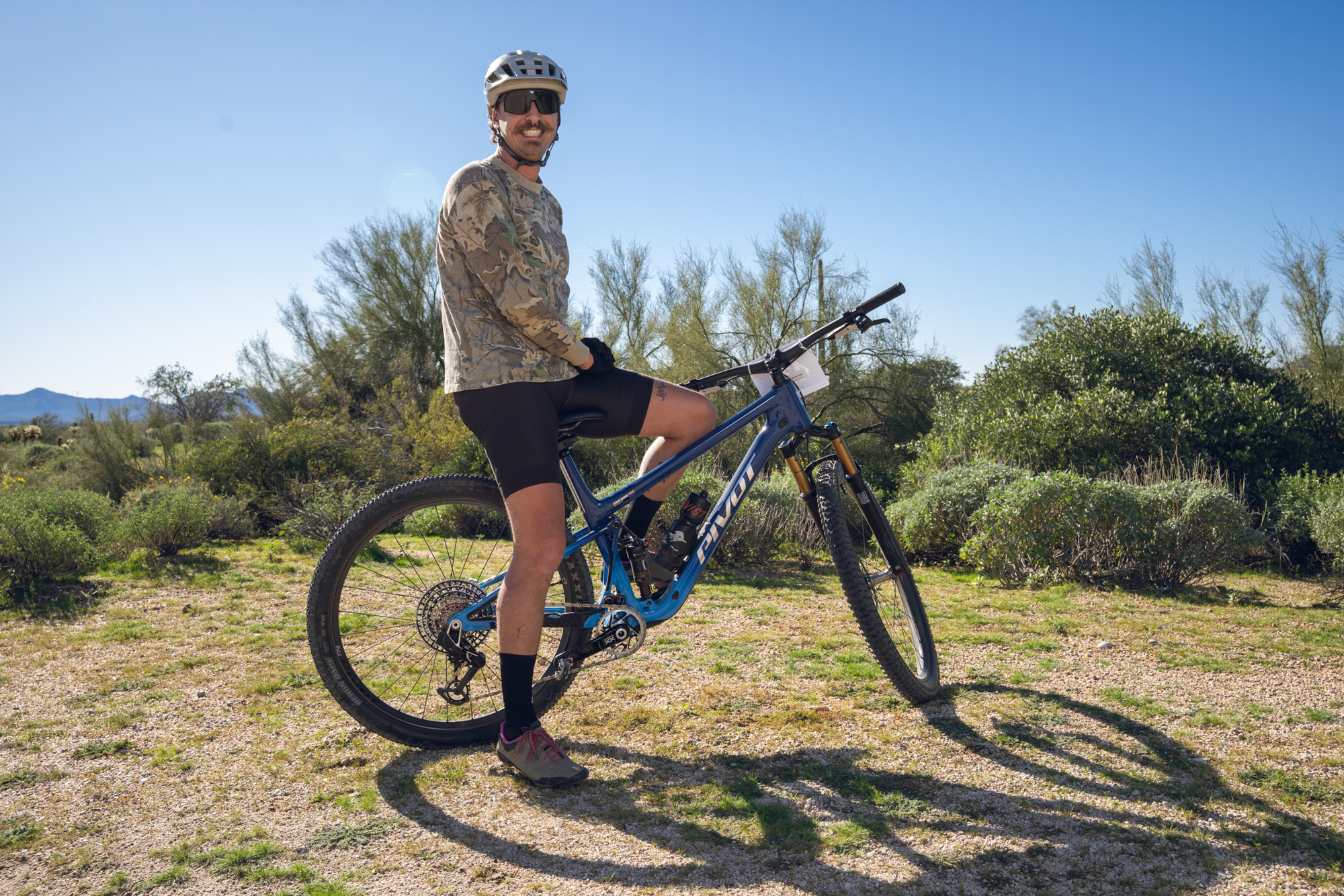
The next day, our cohort of journalists took the Mach 4 SLs out for a casual cruise through the South Mountain trails. This day, I opted for a shorter 40 mm stem and 20 mm DH riser bars. This small change on my XL frame brought the saddle to bar drop back into reason for my non-racer flexibility. Was I slowly morphing the Mach 4 SL into a Trail Cat SL? Maybe…
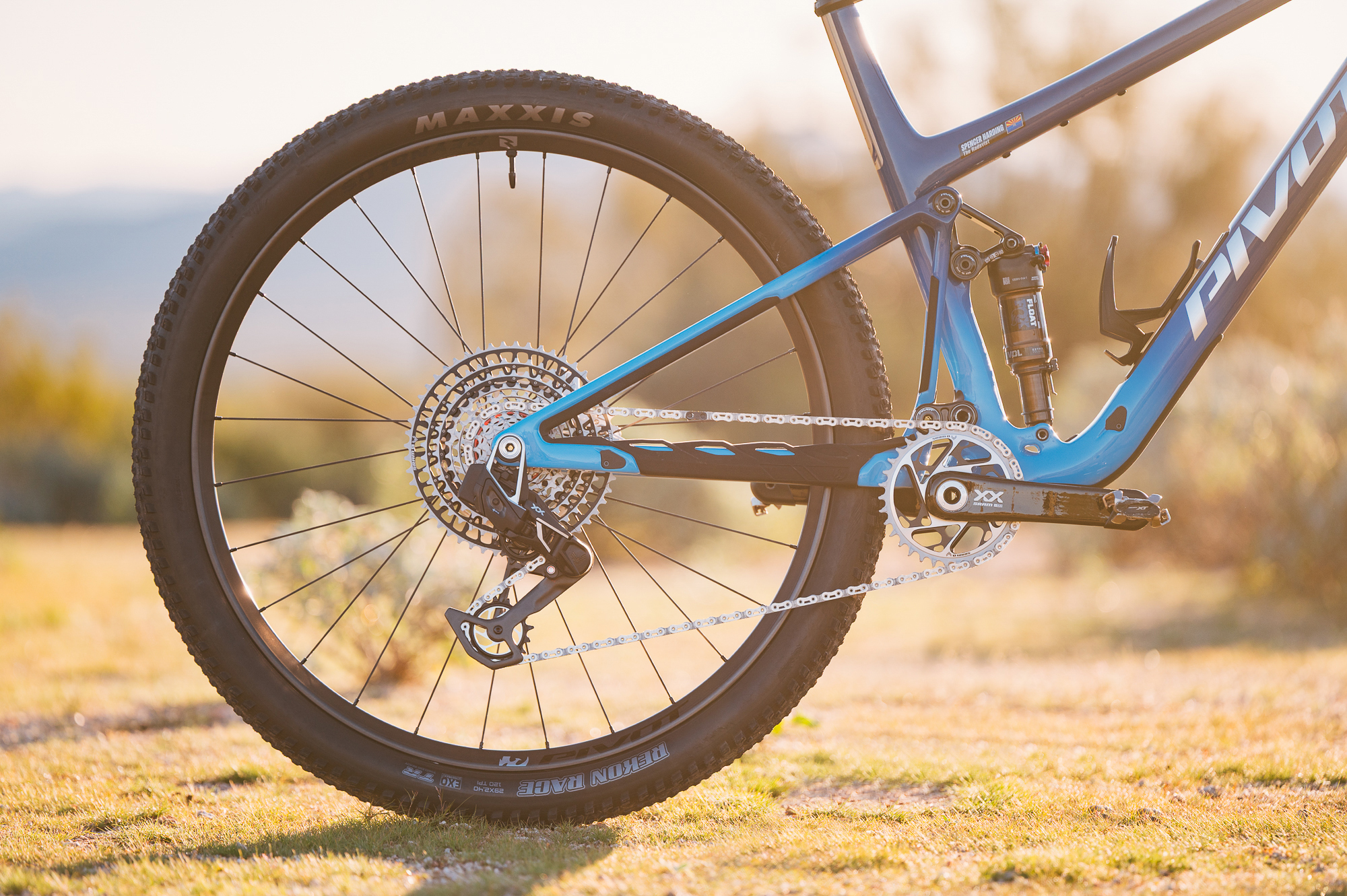
The rear linkage performed so well that it threw the fork’s limitations into relief. This isn’t a new observation for me; on lightweight XC forks, the pared-down dampers and internals have often left me feeling like the rear end was doing the heavy lifting. It makes sense when you think about it: a linkage system has numerous variables to tune and leverage against the forces of riding, while a fork is constrained to a single linear motion. On a bike with equal travel front and rear, that disparity tends to be more noticeable.
With more time on the bike I’d back myself to find a fork tune that narrowed the gap. But I want to be clear: this isn’t a knock on the Fox 34 Step-Cast. It’s a compliment to how good the DW-Link layout genuinely is.

The Mach 4 SL was light underfoot, poppy, and adept at descending despite the travel range. As I mentioned before, I think my personal preferences and priorities would be better served by Pivot’s Trail Cat SL sitting in the short travel trail or downcountry position in their lineup. It was nonetheless a very fun experience to see what the sharp end of the XC world feels like.
Where Others Flex, The Mach 4 SL Pivots
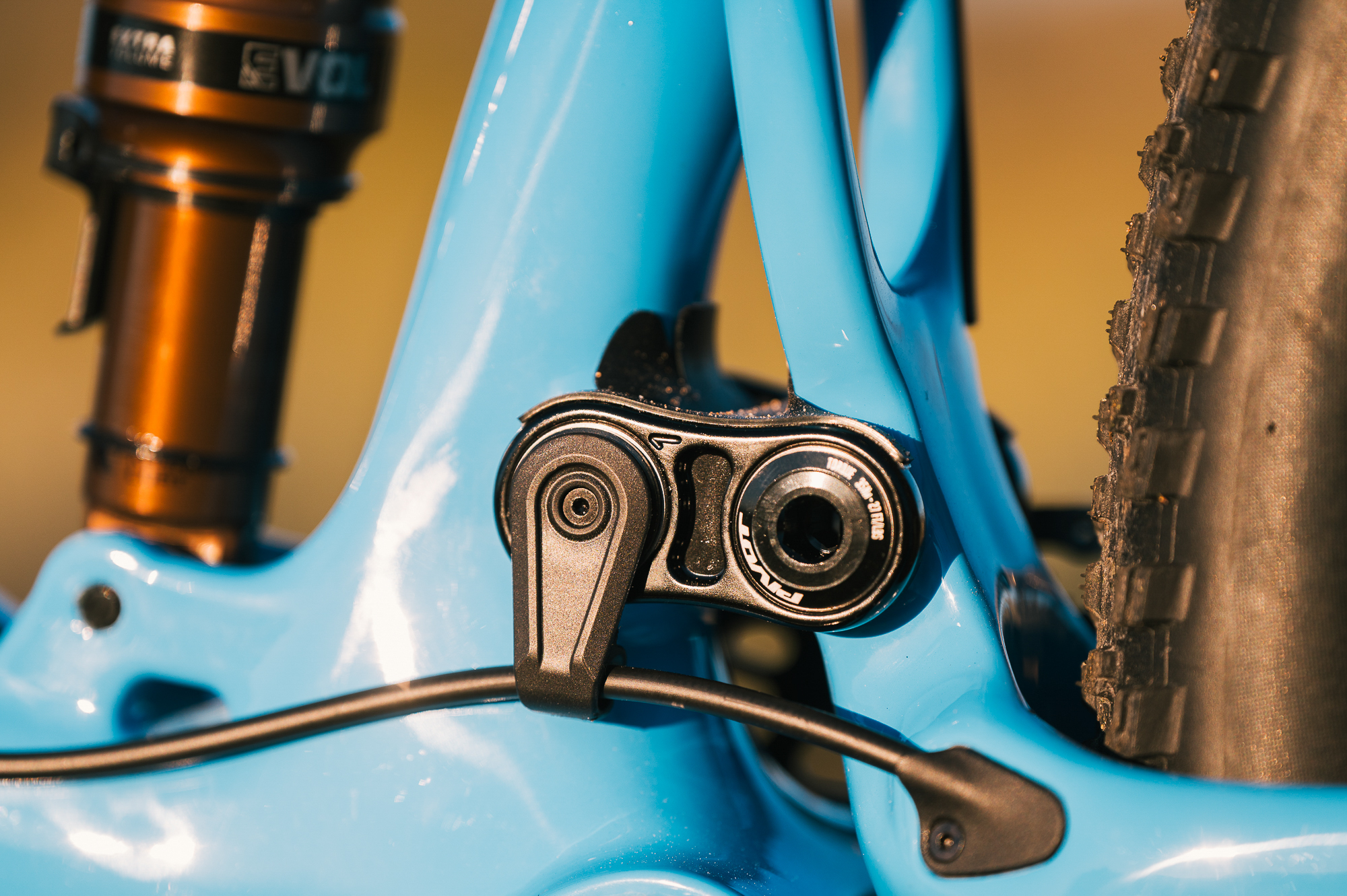
A clear trend at the XC World Cup level is the move toward flex-stay rear ends in place of traditional pivots, a change driven by the pursuit of reduced weight and mechanical simplicity. Pivot looked at where race courses are heading and made a different call, sticking with their DW-Link dual short-link linkage rather than following competitors like the Specialized Epic World Cup or Trek Supercaliber down the flex-stay path.
That’s a meaningful choice. Flex-stay designs cap travel below 80 mm typically, and to make the most of the Mach 4 SL’s 110/120 mm of suspension, a proper linkage was necessary. After a weekend of putting it through its paces, I think they made the right call.
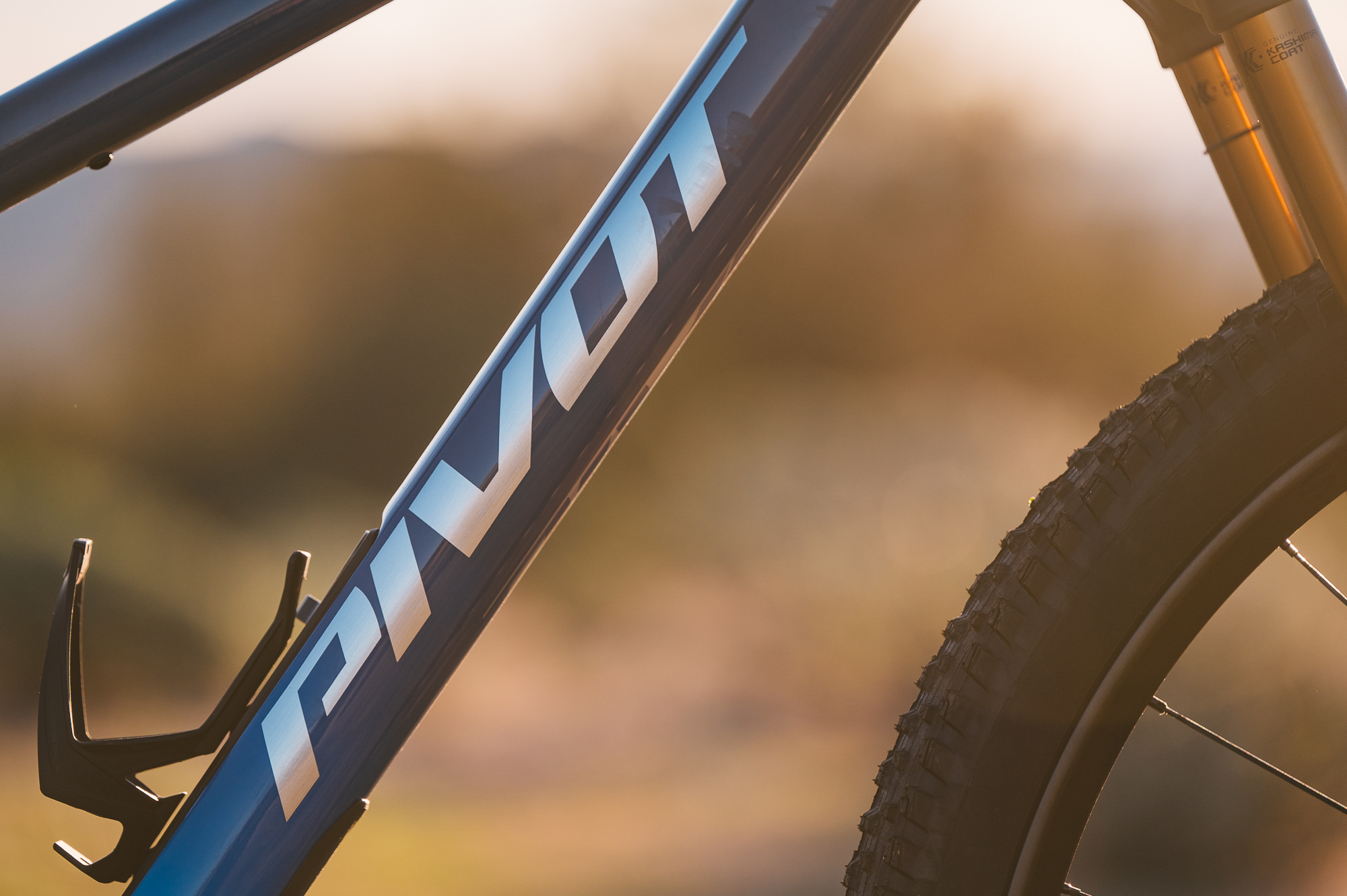
Mach 4 SL Frame Details
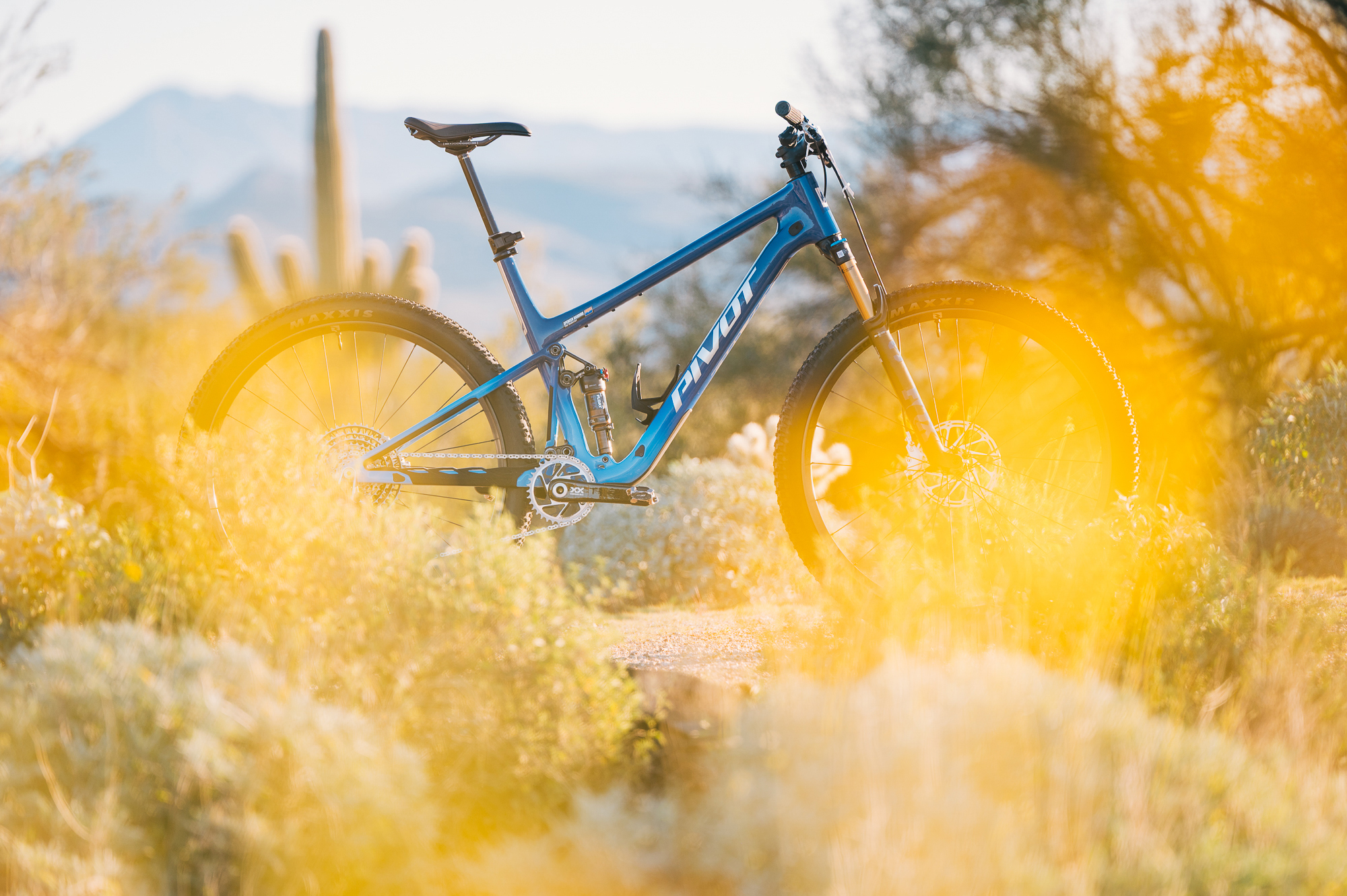
The most visually obvious addition to the Mach 4 SL is Pivot’s Tool Shed downtube storage. Its inclusion on a race-focused bike, where every gram is scrutinized, says something about the industry pressure to offer this feature across the entire market, regardless of intent. A large opening in the downtube is not a free lunch; it presents real frame engineering challenges and adds weight.
I’ll admit I’ve grown ambivalent about downtube storage in general. In practice, I only find myself actually using it on bikepacking trips. Day to day, I might stuff a spare tube in there and call it good. Previous Pivot storage bags felt too bulky to be useful – a CO2 canister and a TPU tube was about the ceiling. On a race bike, I could make a reasonable argument against including it at all.
But as with most things Pivot makes, the Tool Shed is well-executed – thoughtfully designed and cleanly integrated. My one exception remains the bags themselves, which still leave something to be desired.
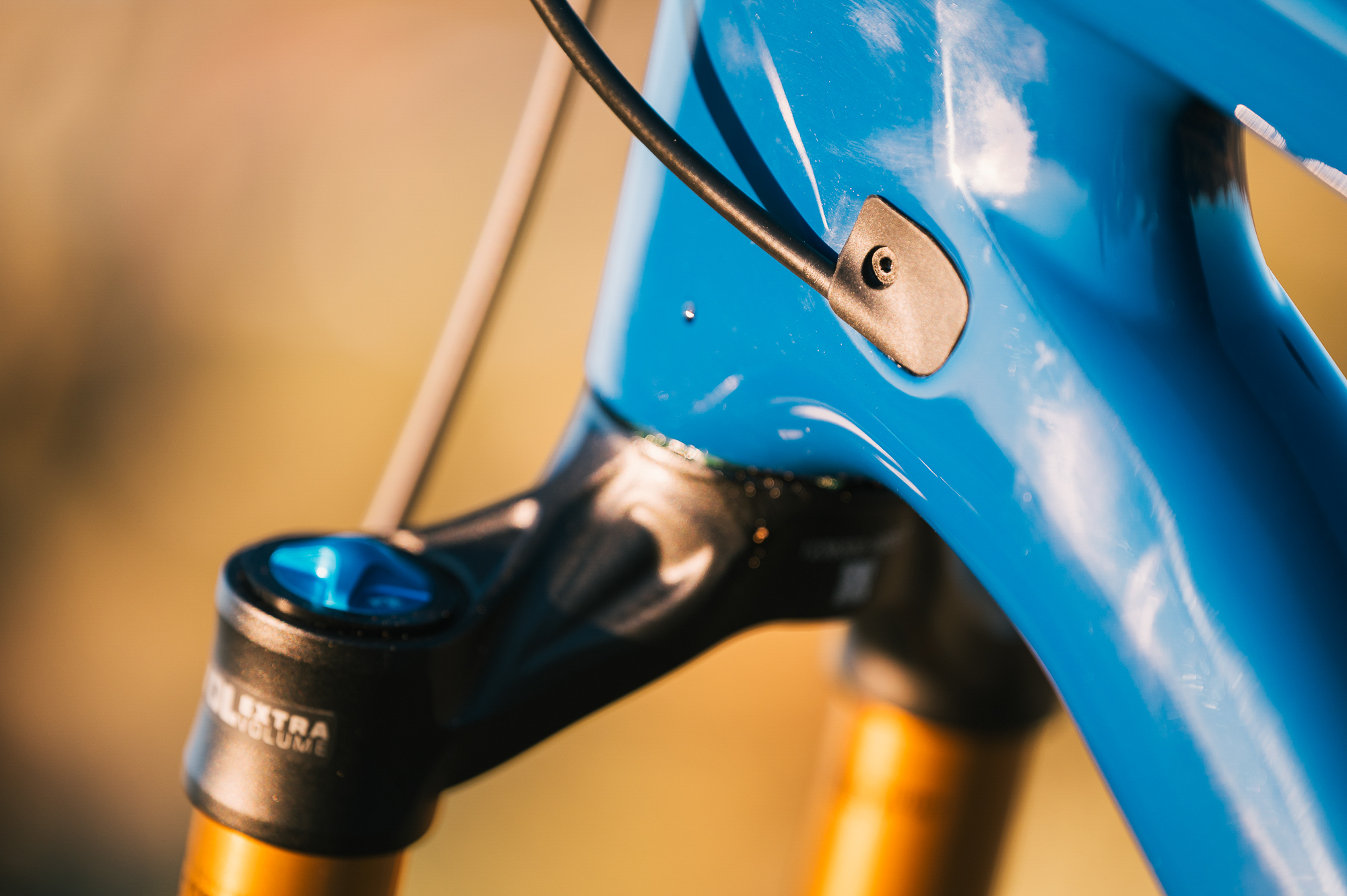
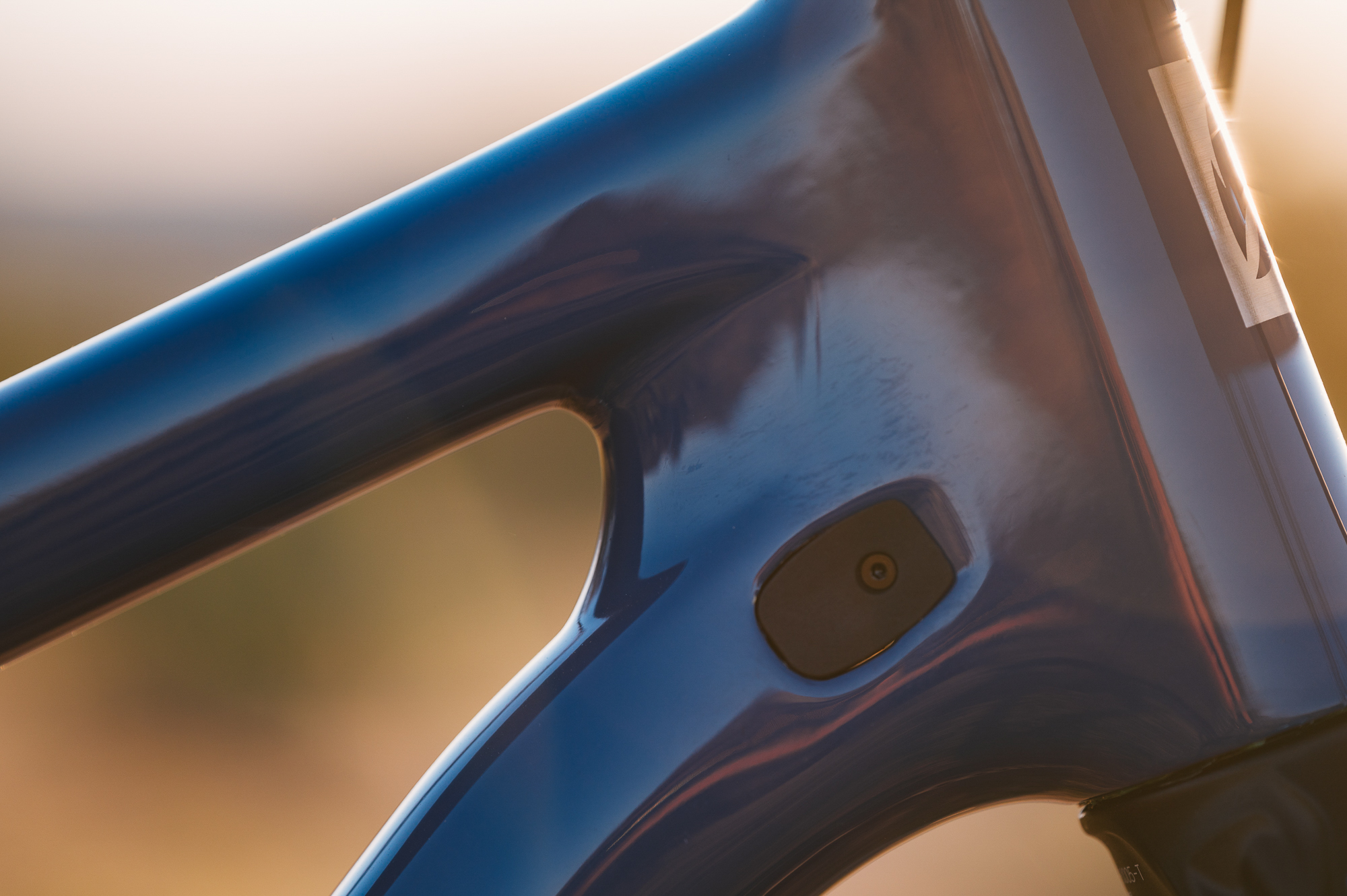
Pivot has also refined the Cable Port system on the Mach 4 SL. With wireless electronic groupsets now mainstream, they were able to reduce the total number of ports on the frame while making each remaining port more efficient, with two cables or hoses per port. They also specified IS 52/52 headset cups to accommodate internal routing for those who want it, but thankfully that’s not how the frames ship stock. Your race mechanic will thank Pivot for this foresight.
On the construction side, Pivot claims the Mach 4 SL has the highest stiffness-to-weight ratio of any frame in their lineup, and each size gets its own distinct carbon layup to keep ride feel consistent as the geometry scales.
A single flip chip on the top of the shock mount lets you swap between 110 and 120 mm of travel. In practice, most riders will never touch it. But for racers trying to extract every last watt of efficiency, that option is there.
Conclusion
After only a weekend with the Pivot Mach 4 SL, I was impressed. I may never become an XC racer, but it was a novel experience to push myself to at least attempt a race. Weight savings and bleeding-edge performance are not typically high on my list of desired features for a bike, but I can still appreciate the effort and engineering. Pivot has stuck to what they know best in bike design and pushed their boundaries within those constraints to make the best XC bike they could, and I find their work worthy of note.
Given how wide and well-considered Pivot’s lineup is, I’ll stop short of recommending the Mach 4 SL outside of a racing context — there are other models in the range better suited to that kind of riding. That said, I wouldn’t be surprised to see Kurt Refsnider (who is sponsored by Pivot) point one into the backcountry someday.
If you are looking for a modern XC bike to keep up with the ever-intensifying world of XC racing, the Mach 4 SL is a helluva bike and is just waiting to help you win (try your best).
Pros
- Very supportive pedaling platform
- Impressively small bump sensitivity given the short travel and pedaling support
- Very light
- Pivot bikes are expensive (for good reason)
- Same high modulus carbon frame across all build specs
Cons
- Pivot bikes are expensive
- Long seat tube limits dropper length
- Suspension linkage outperforms the suspension fork, creating a slightly uneven experience
- Tool Shed storage bags don’t fit much
See more at Pivot Cycles.