






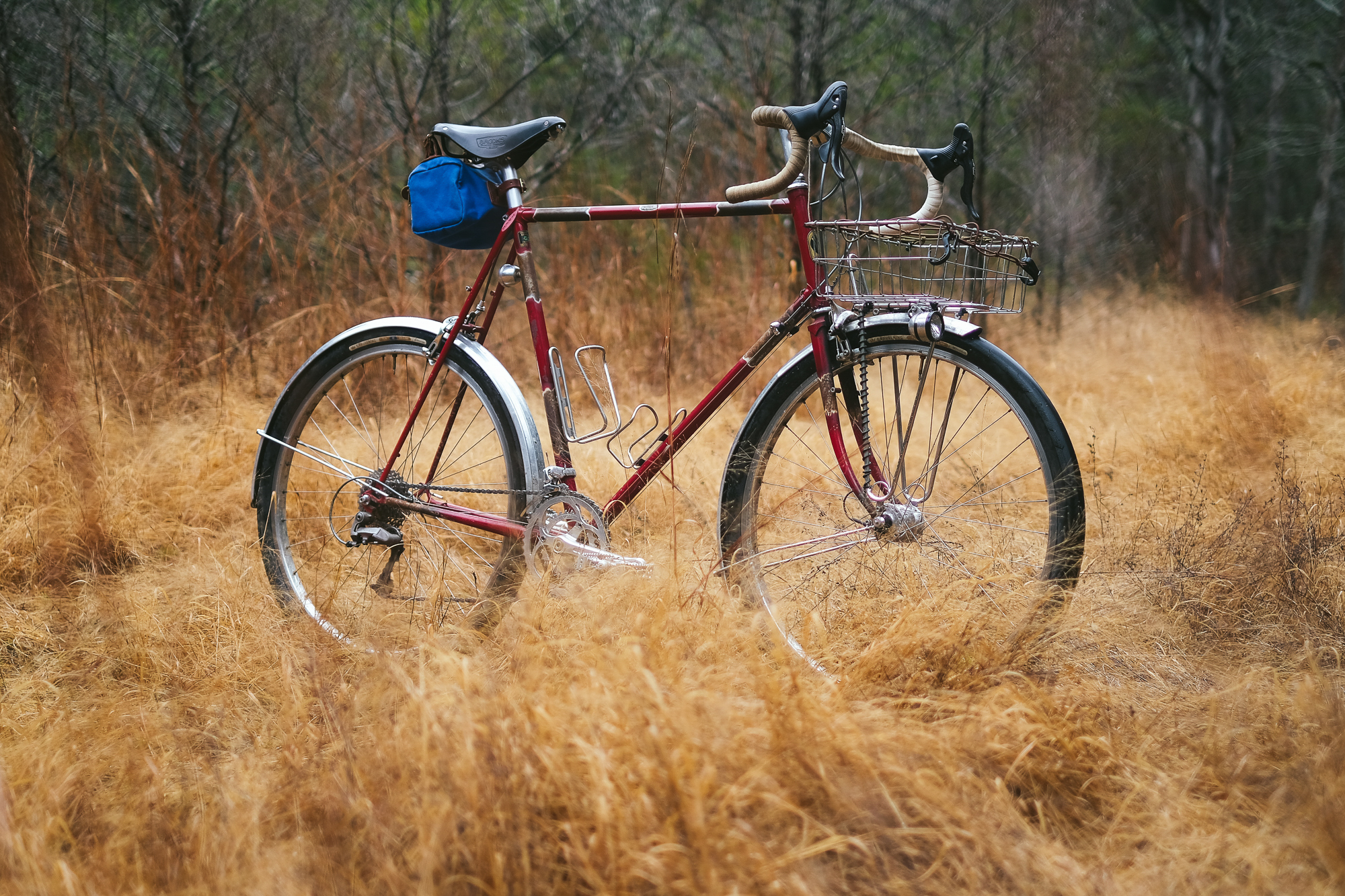
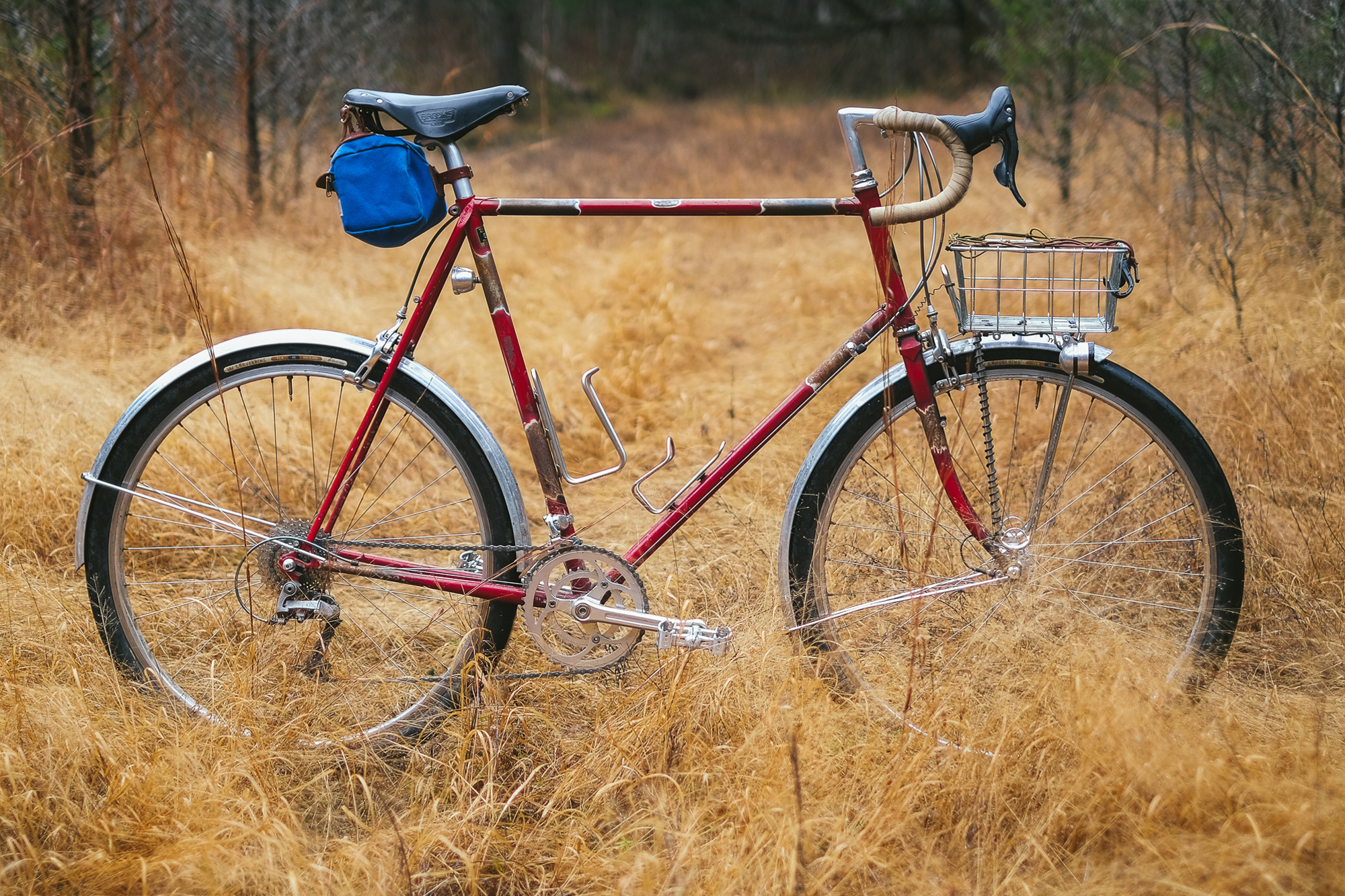
A 1982 Trek 613 turns into a DIY randonneuring bike with the help of an Ace Hardware torch, a few good friends, and some time to kill. What started as a dusty sport-touring frame became an excuse to learn to braze, experiment with internal light wiring, and dig through my parts bins for the best silver components. In the end, his vintage Trek became a slow, handmade project that rides far better than Mitchell Connell ever expected.
Why Build an Old Trek
There were two things that drove me to pick up this 1982 Trek 613 frame. First, I needed a drop-bar commuter. In my day-to-day riding, I’ve learned that I love my upright Rivendell Hunqapillar for errands and trips under five miles – but once the ride gets longer, I want drop bars to take a little weight off the saddle and give me a more spirited position. Second, I’ve always had a soft spot for parallel-top-tube randonneuring bikes. I wanted to build something that reflected my own ideas about what a great bike should look like and, more importantly, how it should feel on the road.
The 2010s Were Peak Randonneur
When I was just beginning to bike commute in the early 2010s, I discovered Mitch Prior’s MAP Cycles on Flickr, and it was the first time I had ever seen a randonneuring bicycle. I couldn’t explain the effects of low-trail geometry or the benefits of using Reynolds 531, but I knew I really liked how those bikes looked. Then my early commutes and weekend overnighters grew into a lifelong passion for bike touring and the DIY bike world. I began going to parts swaps, spending lots of time in used bike shops, and generally falling in love with bicycles that have to be built slowly over years from the components you carefully curate.
Then I saw The Frek Story, a YouTube video that shows Steve Frey converting vintage steel Trek road bikes into classic randonneuring builds. It felt like the perfect blend of DIY tinkering and beautiful French road bikes, and by the third or fourth viewing, I was already searching for a frame.
Luckily, a few months later, my friend Matthew Zingg texted me a picture of a gigantic vintage Trek that was donated to Two Bikes Knoxville, and I asked him to hold onto it for me. I purchased the frame, but I was too intimidated by trying to learn to braze, and it sat around for more than a year.
Why Old Treks Are Desirable
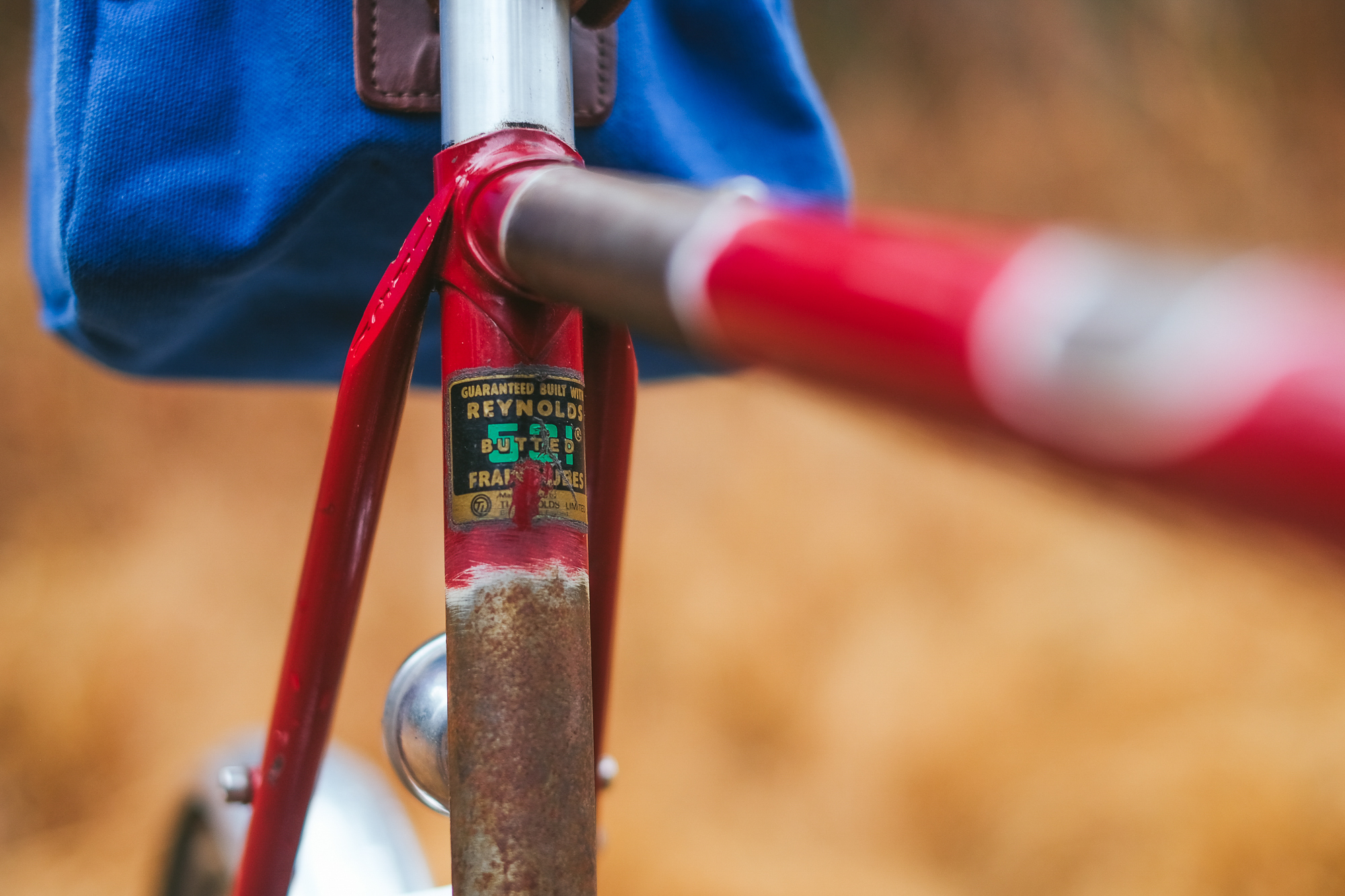
Vintage Treks earned their reputation because they were thoughtfully built, used quality materials, and looked beautiful. This particular frame is a 1982 Trek 613, which happens to be a fantastic candidate for a randonneuring conversion. It was designed as a sport-touring bike, so the geometry is much more relaxed than the pure road bikes in Trek’s lineup.
The main triangle is Reynolds 531, a legendary steel tubeset known for being strong, springy, and surprisingly lightweight. The frame was originally built around 27” wheels, which makes it ideal for a 650B conversion because dropping to the smaller wheel size opens up valuable clearance for wider tires. And because the frame uses sidepull brakes, I didn’t have to relocate cantilever bosses, a process that requires specialized jigs and far more brazing skill than I possess.
Modifying The Frame
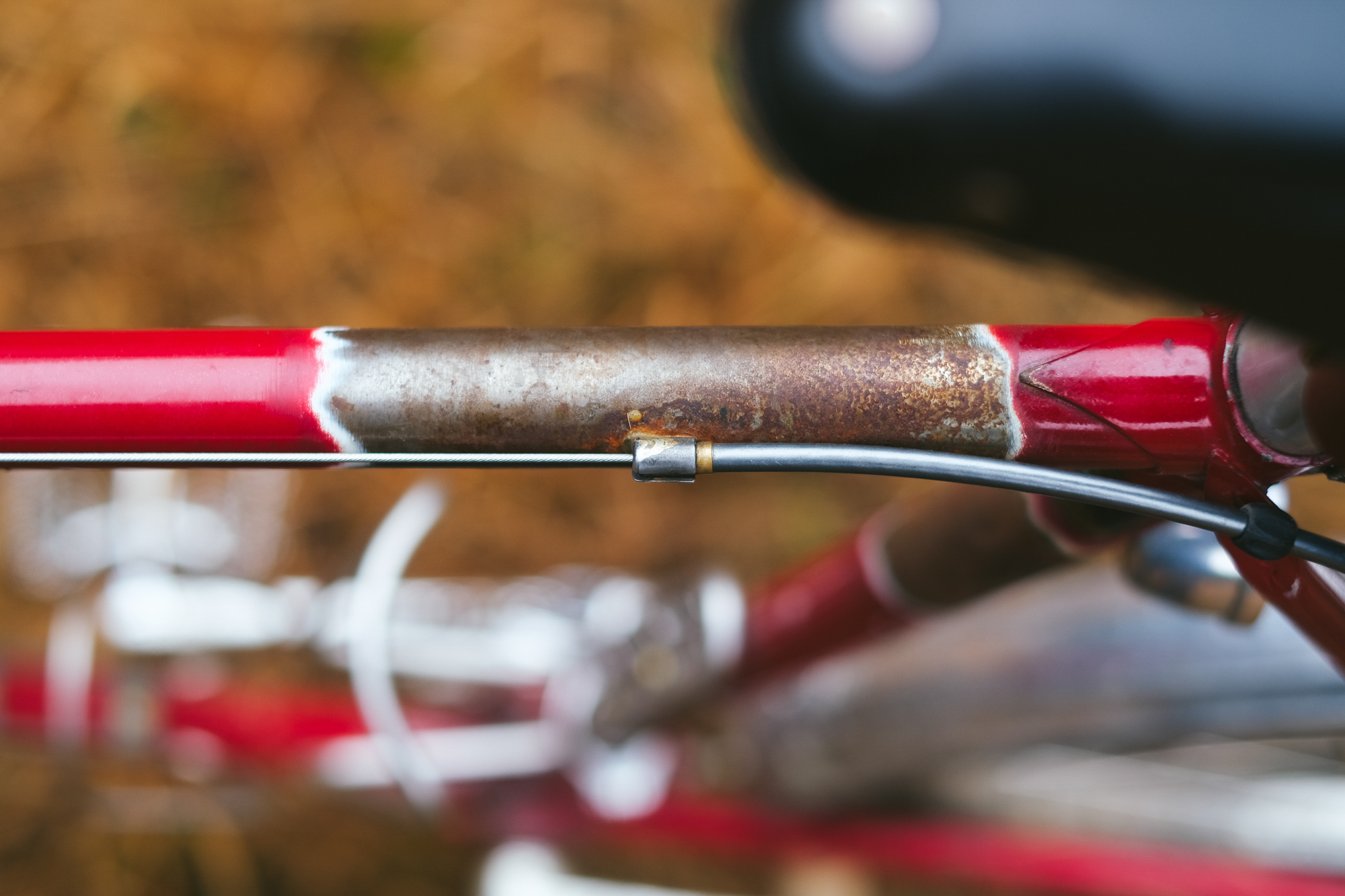
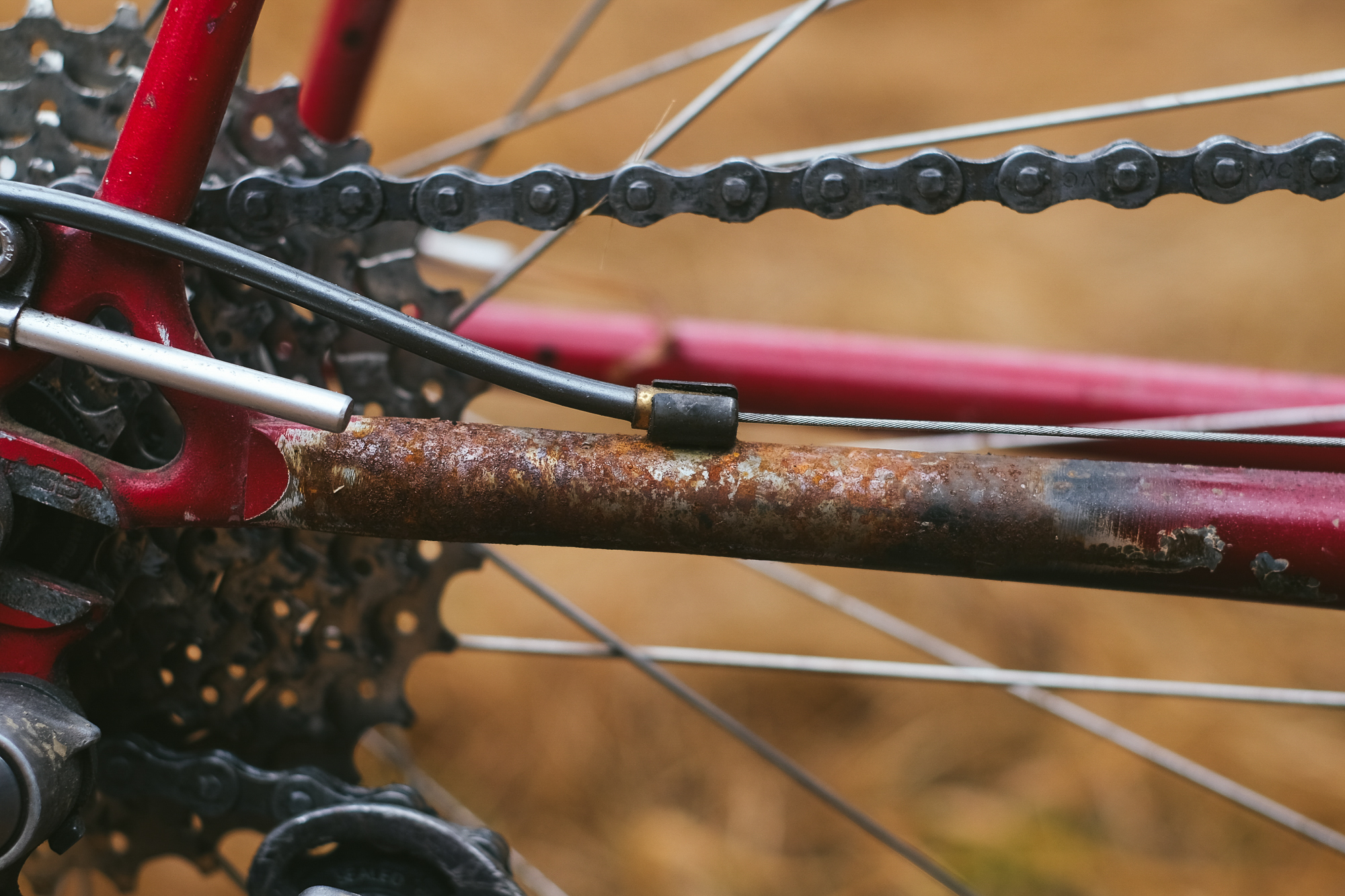
Fortunately, I have the greatest friends of all time. My good buddy Derek Wilson insisted that brazing wasn’t that hard and offered to teach me while also volunteering to handle the trickier bits himself. We brazed the frame using a torch from ACE Hardware, flux and silver from Framebuilder Supply, and a woodworking clamp from Derek’s grandfather. Derek’s brazing looks significantly better than mine, but it all worked out just fine. I also used this time to add a mount for the most randonneuring accessory of all time: an integrated taillight. Once we finished brazing up the frame, I dug through my parts bin for all of my favorite silver components, and I put in an order with René Herse.
Building the Wheels
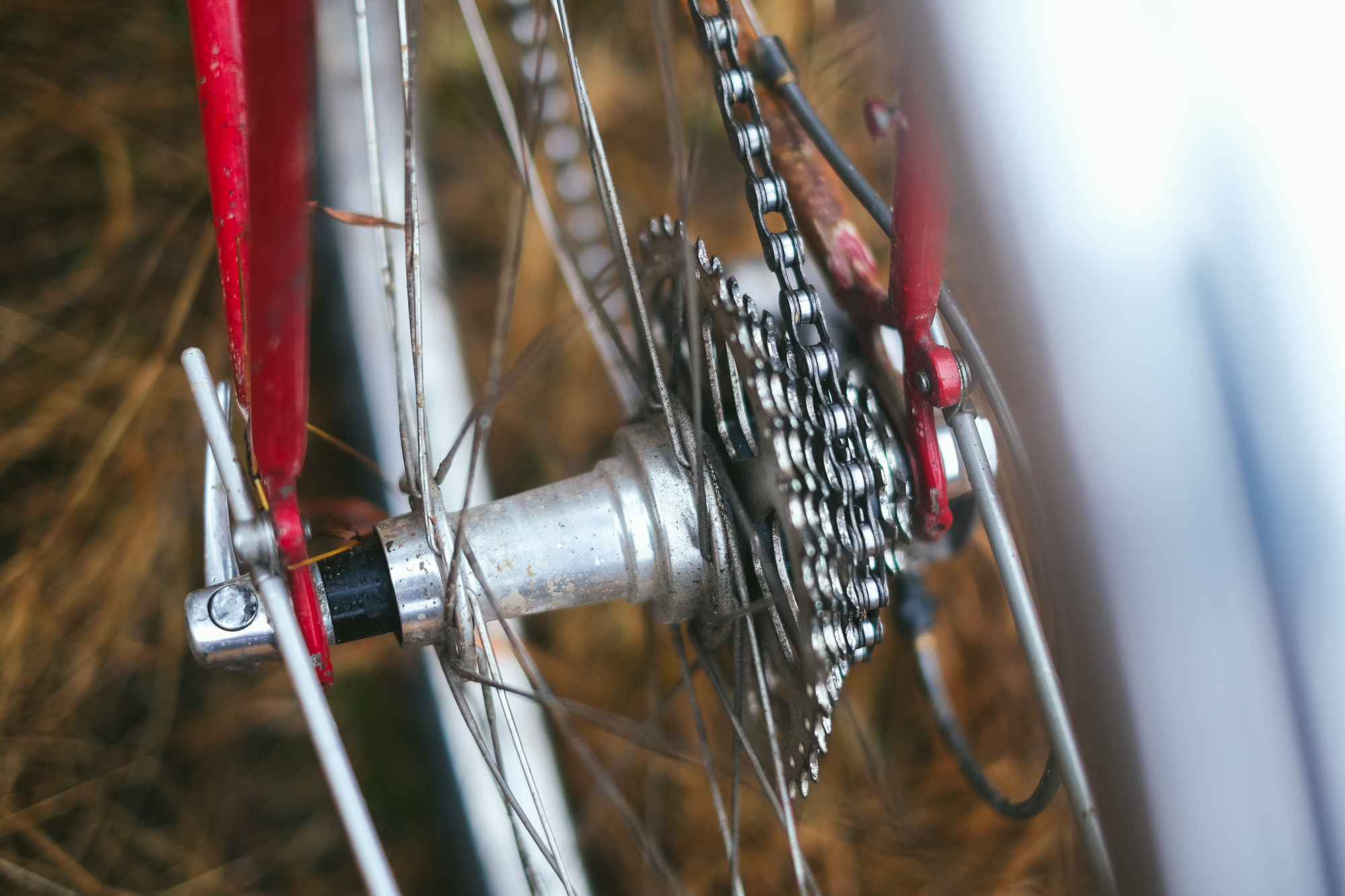
The wheels are a combination of some of my favorite bicycle components. The front hub is a polished silver SON hub, and the rear is your bike mechanic’s favorite hub, the Bitex RAR12. The spokes are Sapim Lasers, which ride really well but are quite challenging to build with. If you ask your bike mechanic to use Sapim Laser spokes, bring them one of those huge kombuchas from Whole Foods or a locally made pizza. It’s a pain. The nipples are brass and made by SimWorks.
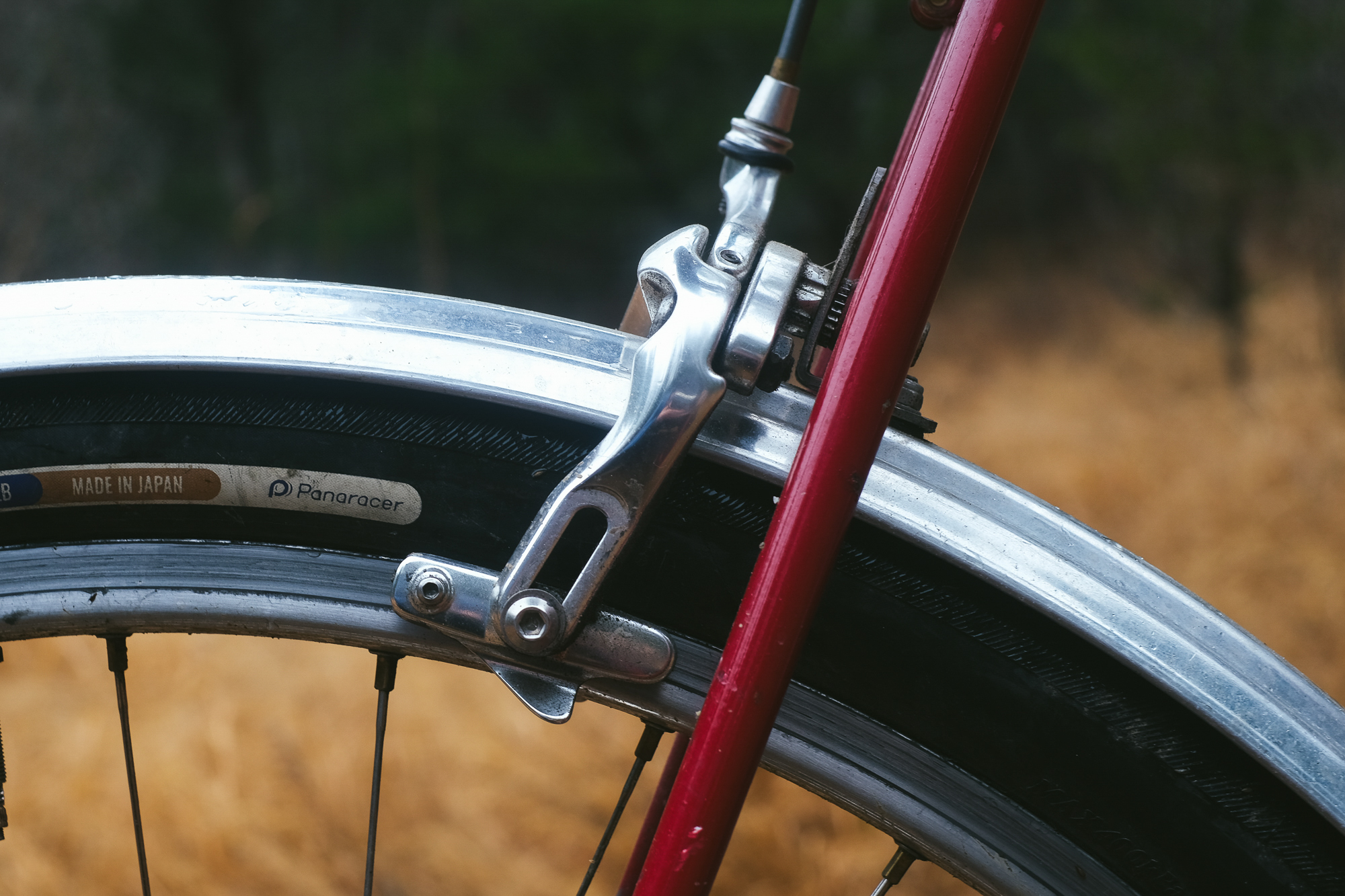
Any good randonneuring-inspired bike needs chubby tires, so I used 650B x 40 mm Gravelkings, which cut things pretty close. There’s barely enough space for the fenders, and you may notice I had to cut the bottom of the rear fender before the chainstays. You might also notice the guidelines Derek and I used to dimple the chainstays using a filed-down part of a seatpost clamp and a bench vise.
The Drivetrain and Brakes
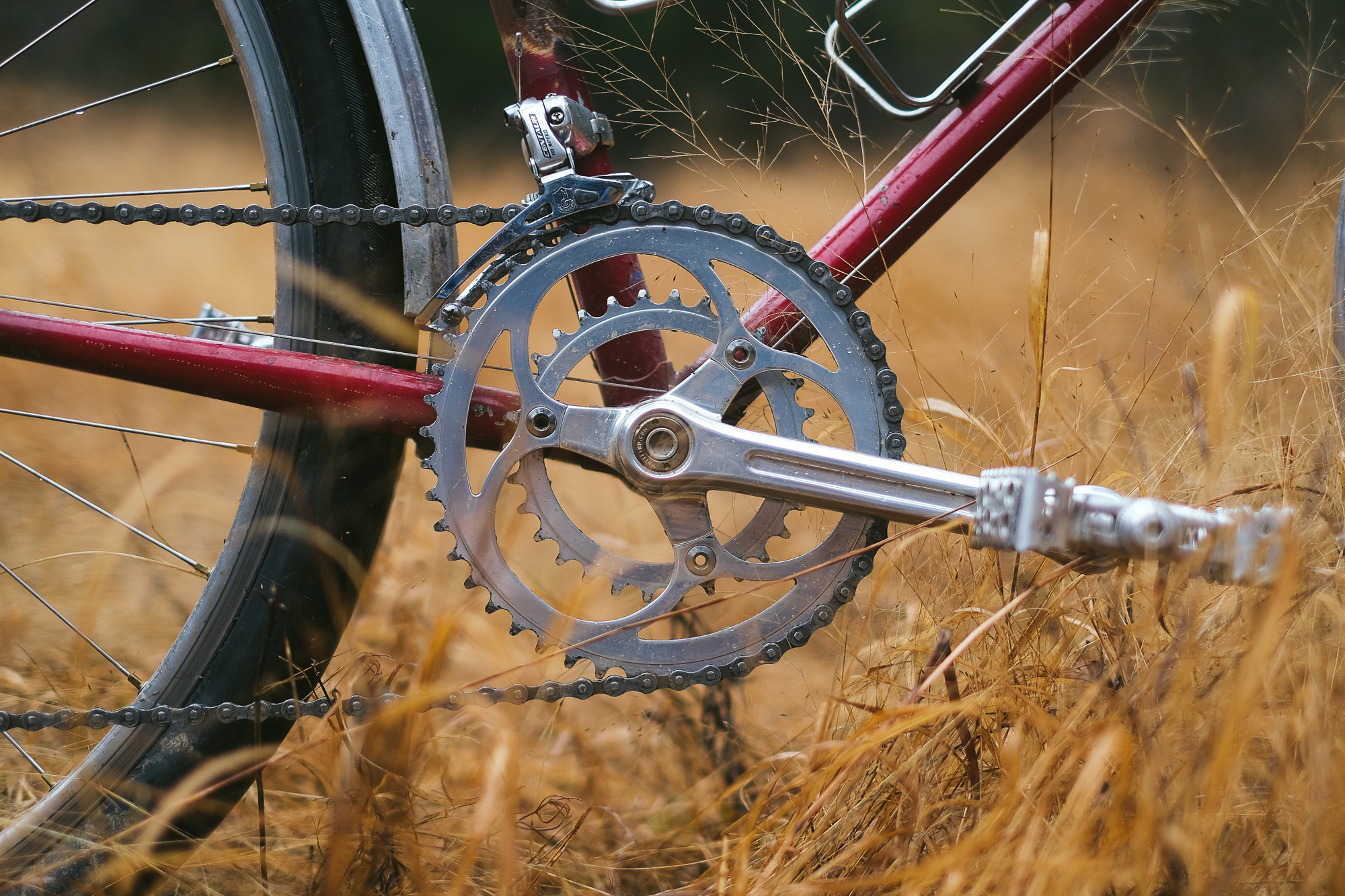
There’s a reason so many cyclocross racers in the early 2010s ran Campagnolo 10-speed shifters with Shimano 8/9-speed derailleurs. The shifts go ka-chunk in the most satisfying way, the system works brilliantly, and the shifters are nearly indestructible. I’m using a Campagnolo 10-speed front derailleur paired with the Blue Lug YMC-W crankset, and together it all makes for a wonderfully odd drivetrain – one that quietly tells the world, “I’ve read the entire Sheldon Brown website.”
The Tektro 559 long-reach calipers are what unlock this whole build. Their generous 73 mm of pad reach lets you comfortably run smaller 650B wheels. If you look closely, you’ll notice I had to file the bottom of the brake-pad slots to get full clearance over the tires, but sometimes you just do what you have to do.
The Accessories and Such
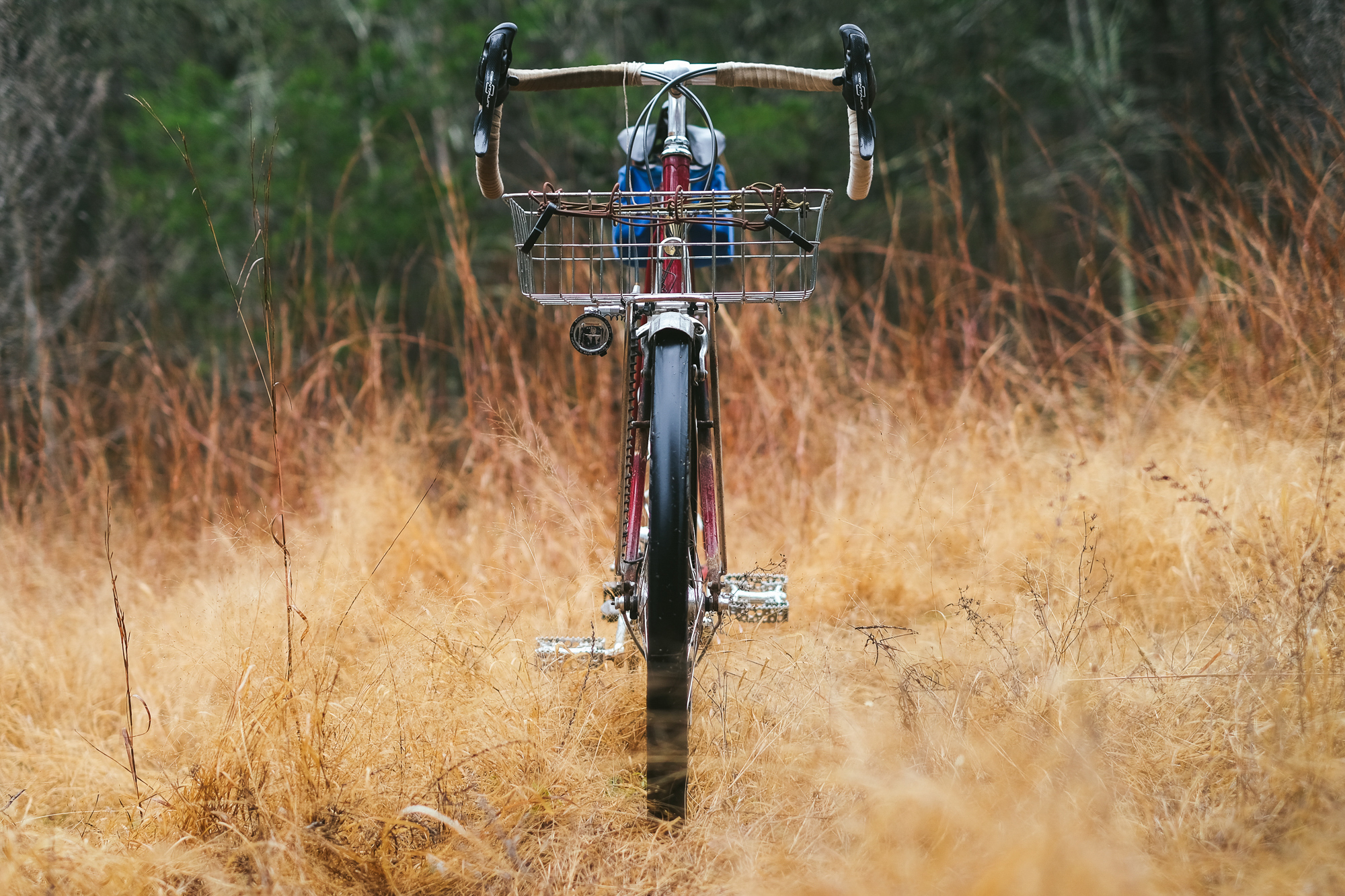
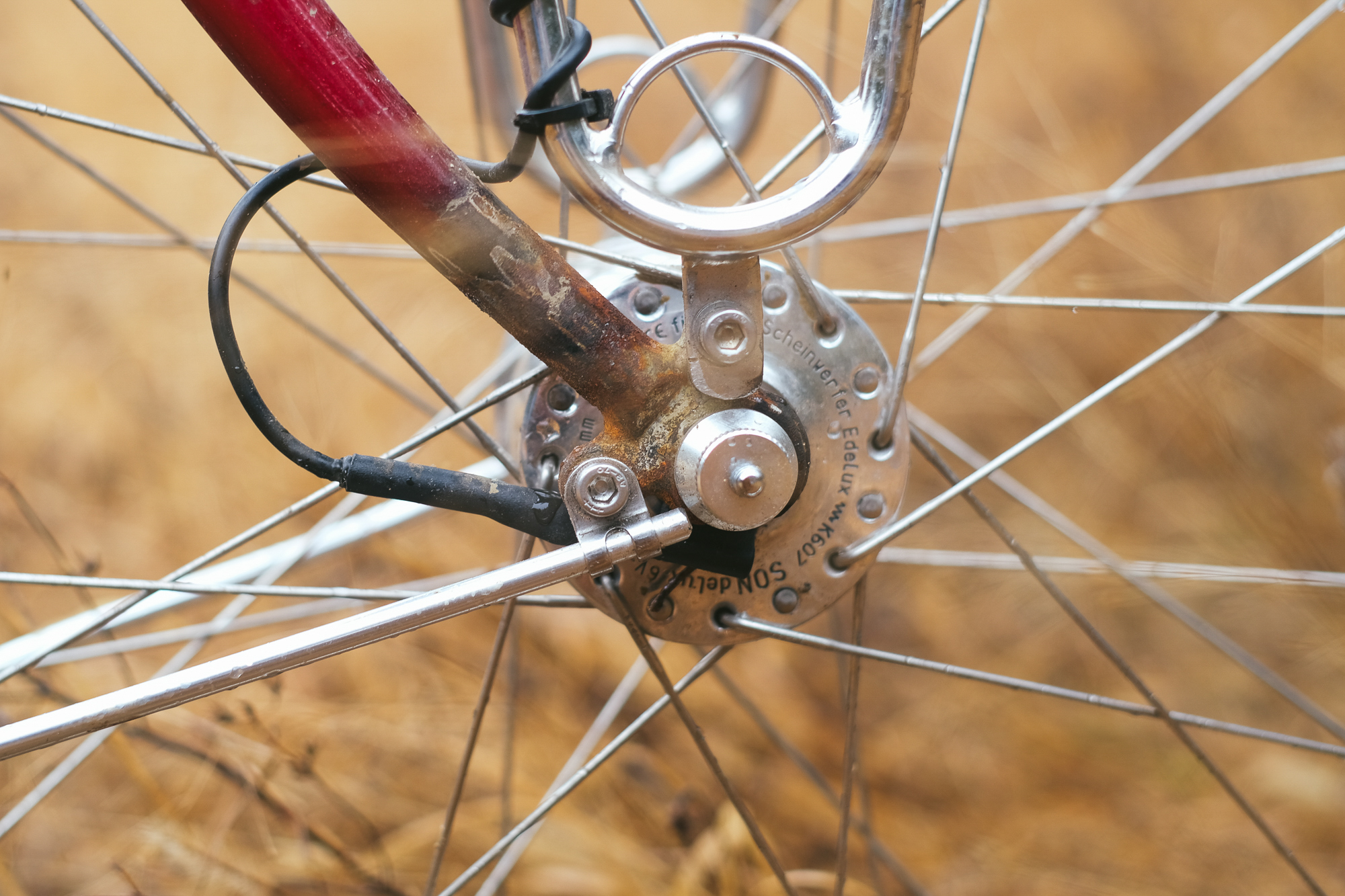
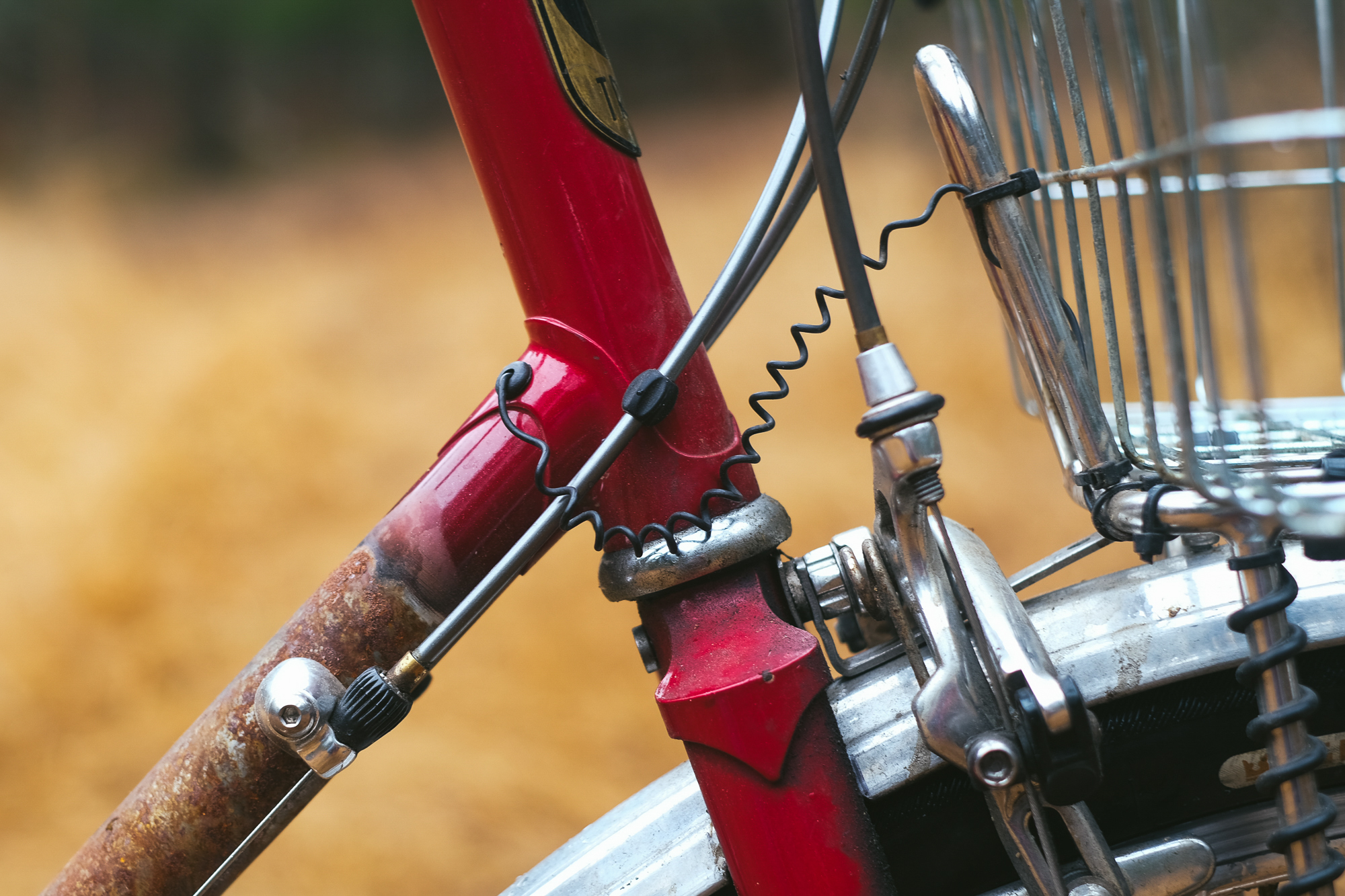
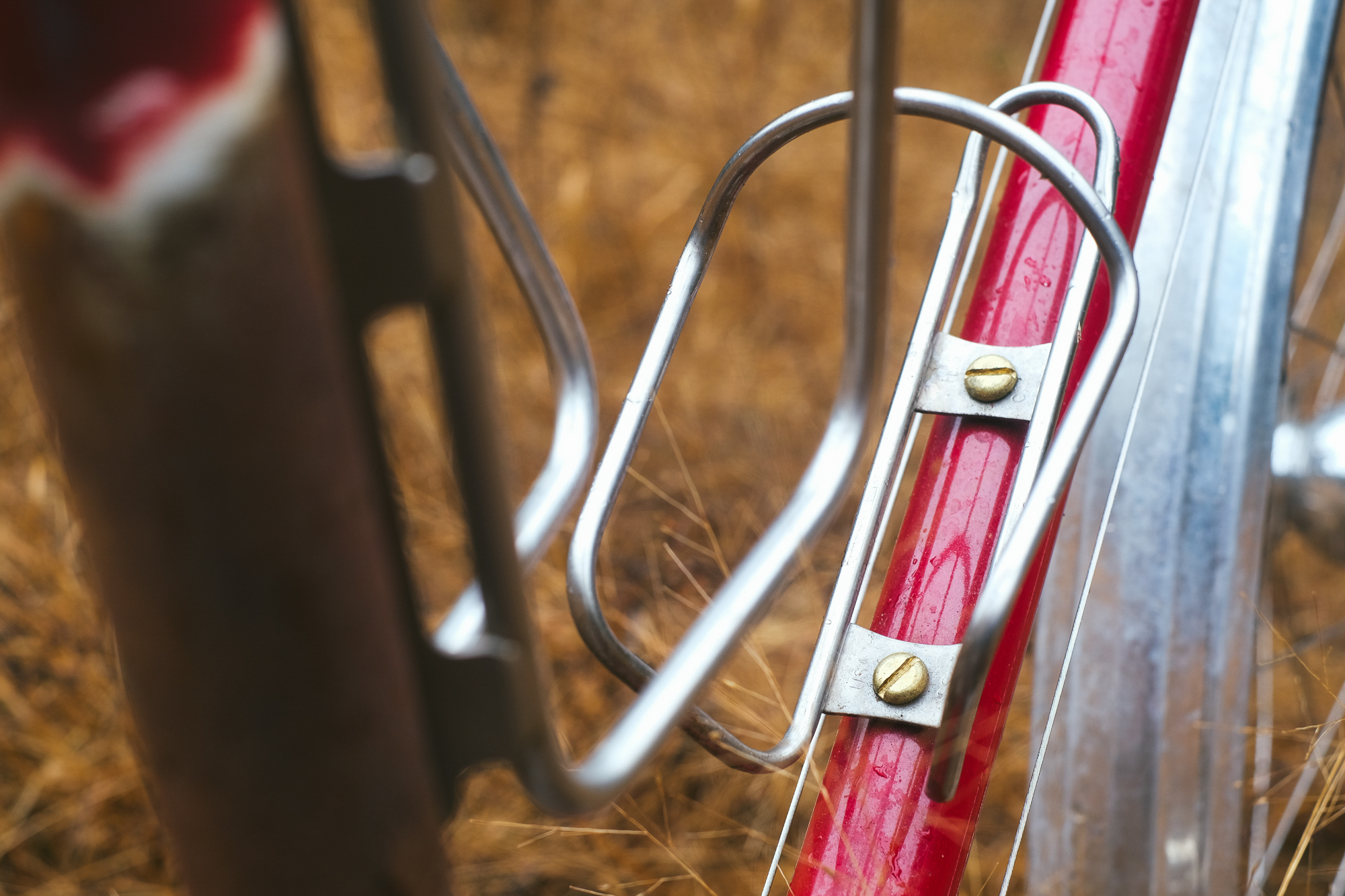
I’ve always really liked the look of the Velo Orange Constructeur front rack, so I started adding on to the bike from there. I splurged on a SON Edelux II headlight because it vastly outperforms all other headlights in the category of looking really nice. I wired my Edelux to an integrated René Herse taillight, which is my favorite part of the bike. A Rivendell Bicycle Works saddlebag that I traded for some handlebars sits just above the taillight and holds a modest tool kit.
How It Rides
Does this bike ride as well as a MAP or a Chapman? Surely not. But it’s uniquely mine. It reflects the tastes and preferences I’ve built over a lifetime of bicycling. Out on the road, the bike feels exactly like it looks: calm, planted, and unhurried. The relaxed sport-touring geometry and long wheelbase give it a steady, predictable feel, while the 650B x 40 mm tires smooth out the road. The fenders, rack, and dynamo setup don’t make it sluggish so much as grounded, and the bike rewards looking around. The bike encourages you to take the long way home and invites you to sit tall, look around, and enjoy the world rolling by at 14 miles an hour.